

This brief video shows how real questions, simple answers, and clean FAQ schema turn basic FAQs into reliable organic traffic drivers.
This is the brief on mastering FAQ SEO. You know those simple, straightforward FAQ pages. They can pull in a ton of traffic. That’s because when people search online, they’re just looking for direct, honest answers, no fluff.
We write SEO articles that rank on Google — so you can focus on your business.
See Writing Plans →First up, your content has to be driven by real user questions. Stop guessing. The best place to find these is your own sales and support teams. They hear the same problems every single day, and combined with on-site search data and Google suggestions, they point you to the questions people truly ask.
Second, craft clear, conversational answers. Short answers always win. Aim for two or three sentences and skip the corporate jargon. Most customers would rather find answers on your website than contact support, so clarity and brevity matter.
Finally, use schema code. It’s like a cheat sheet for Google that helps your answers show up directly in the search results in those little dropdown FAQ boxes. Getting this right can significantly improve your click-through rates and bring in more qualified traffic.
Great FAQ SEO is ultimately a mix of solid research, plain language, and the right technical setup, leading to more organic traffic and happier users.
FAQ pages succeed by directly answering the questions people are actually asking, which is why they can attract significant organic traffic. The process is straightforward: first, source real questions from your sales and support teams instead of guessing what people want. Second, craft clear, conversational answers that avoid jargon.
Finally, implement FAQ schema code so search engines can feature your answers directly in results. This mix of genuine research, plain language, and simple tech leads to more visibility and happier users.
Keep reading for a detailed breakdown of the seven steps.
Key takeaways
- Questions pulled from real customer conversations outperform guessed topics
- Direct answers beat long, keyword-heavy explanations
- Clean technical setup helps search engines surface answers
1. Understand your audience and their questions
The fastest way to ruin an FAQ page is to invent questions. Customers already tell you what they want to know. You just have to listen.
Sales and support teams are the first stop. They answer the same questions every day. If five different customers ask the same thing in one week, that question belongs on your FAQ page. There’s no need to overthink it.
Customer emails and surveys add another layer. People often explain what confused them or what took too long to figure out. Those complaints usually map directly to missing or unclear FAQ content.
Internal site search is another overlooked source. When someone types a question into your search bar, they are telling you, clearly, that they couldn’t find the answer fast enough. That data is honest and unfiltered.
Forums and Reddit threads help too, especially for products or services that need explanation. People are more blunt in those spaces. You’ll see the same misunderstandings pop up again and again. Google’s suggested questions act as a final filter, showing how those same concerns appear in search.
A simple starting checklist:
- Ask support teams what they repeat most often
- Review recent customer emails and feedback
- Check internal site search queries
- Scan industry forums and discussion boards
- Review Google’s “People also ask” questions
The goal is repetition. If a question keeps showing up in different places, it earns its spot.
Need SEO content that actually ranks? We write data-driven articles designed to bring organic traffic to your site.
See Our SEO Writing Plans →2. Write clear, concise answers

FAQ pages are not blog posts. They’re reference material. People skim them because they want answers quickly.
Short answers perform better because they respect the reader’s time. When someone asks about shipping costs, they want a number or a range. They do not want company history or policy language.
Complex topics should be broken into multiple questions. Trying to answer everything at once usually makes answers harder to understand. If an explanation needs detail, link out to a dedicated article and keep the FAQ version brief.
Tone matters more than most teams realize. Answers should sound like something a real person would say out loud. Professional, yes. Stiff, no. Skip internal jargon and buzzwords. If a new customer wouldn’t use the phrase in conversation, it probably doesn’t belong.
Many teams rely on outside help, such as SEO article content writing services, to keep answers readable while still structured correctly for search.
Basic writing rules that hold up:
- Keep most answers to two or three sentences
- Remove corporate language
- Split large topics into focused questions
- Write in plain, everyday language
A good test is speed. If someone can’t get the answer in under ten seconds, the answer is too long.
3. Use keywords without forcing them
Keywords still matter, but FAQ pages are not the place to push them aggressively. Search engines are good at understanding variations now. Readers are not patient with awkward phrasing.
Start with how people actually search. Someone might type “how to make an FAQ page” or “FAQ page examples.” Use those phrases only where they fit naturally. If a keyword sounds wrong when read aloud, it probably is.
Variation helps, but clarity matters more. Repeating the same phrase over and over makes content feel mechanical. Slight wording changes capture different searches without hurting readability.
A few practical guidelines:
- Base keywords on real search behavior
- Place them where they sound natural
- Avoid repeating the same phrase unnecessarily
- Use realistic variations instead of forced synonyms
Google’s search suggestions are often enough to guide this. They reflect how people phrase questions, not how marketers wish they did.
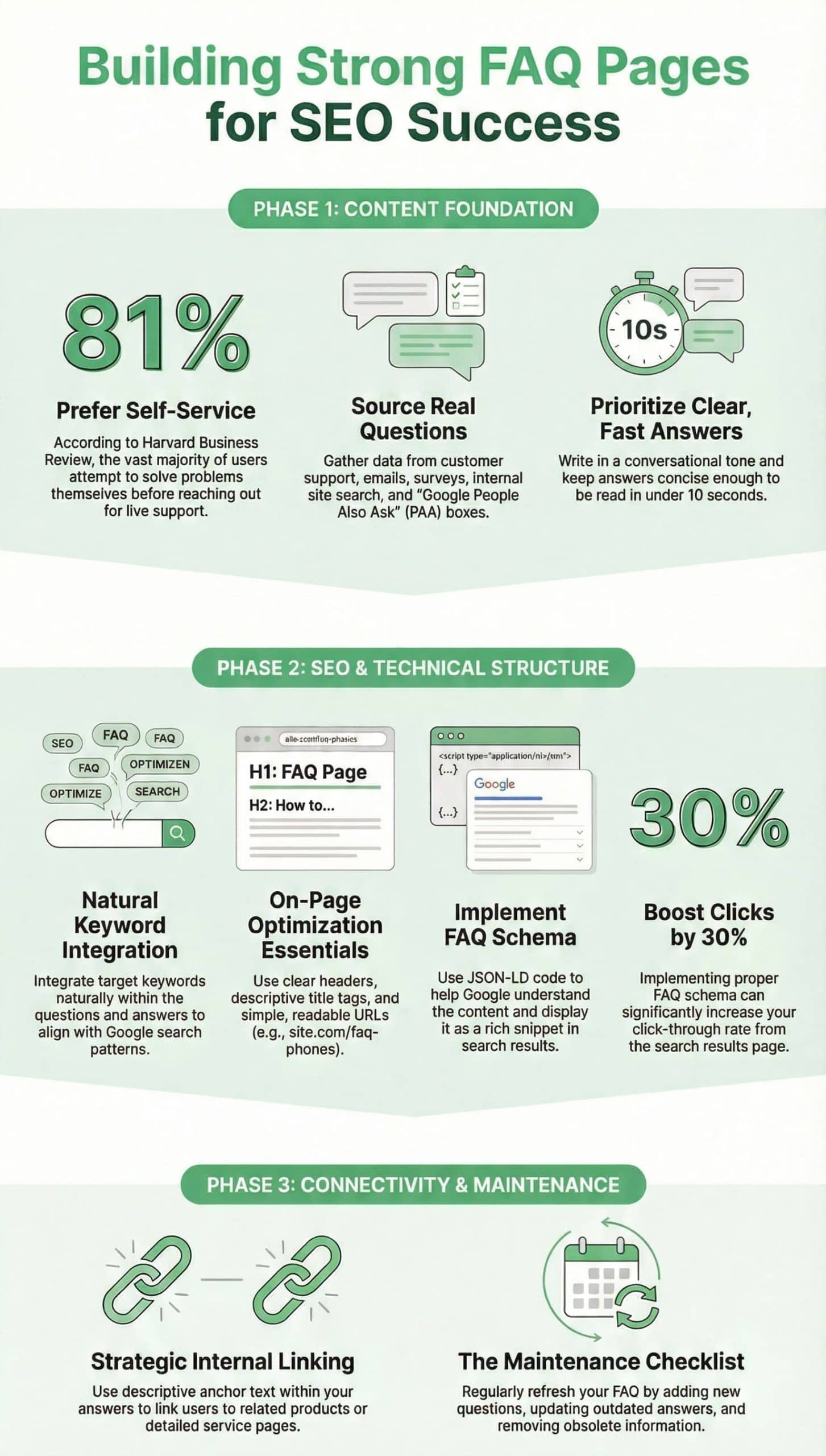
“Across industries, fully 81% of all customers attempt to take care of matters themselves before reaching out to a live representative.” – Harvard Business Review [1]
That statistic explains why FAQ clarity matters. If the answer isn’t easy to find or easy to read, users move on.
4. Optimize on-page SEO elements

Structure still plays a role. FAQ pages with clear titles and descriptions earn more clicks than vague ones.
The page title should state the topic directly. If the page answers questions about phone repairs, say that up front. The description should tell readers what problems the page solves, not repeat the title with minor changes.
Headers help both users and search engines. Each question should stand out visually. Long blocks of text slow people down and reduce engagement.
URLs should stay simple and readable. Something like website.com/faq-phones works better than a string of numbers or parameters. This aligns with best practices used in technical SEO content writing and makes the page easier to interpret.
Focus on these basics first:
- Put the main topic at the start of the title
- Write descriptions that explain what the reader gains
- Use clear headers for each question
- Keep URLs short and descriptive
A good description should read like a genuine recommendation, not a placeholder written for an algorithm.
5. Add FAQ schema code
Schema is the technical layer that tells search engines, “this page contains questions and answers.” It does not change how the page looks to users, but it changes how search engines read it.
When schema is set up correctly, Google can display your questions directly in search results. Those expandable answers often take up more space on the page, which can increase click-through rates. When it’s done poorly, nothing happens at all.
Accuracy matters more than effort here. One broken bracket or mismatched field can cause the markup to fail. Following the documentation closely is not optional.
“Structured data is a standardized format for providing information about a page and classifying the page content.” – Google Search Central [2]
For most sites, JSON-LD is the safest format. It keeps the code separate from visible content and is easier to maintain.
Basic steps that hold up:
- Use the correct FAQ schema format, with JSON-LD preferred
- Follow Google’s guidelines exactly
- Test the markup before publishing
After updates, test again. FAQ pages change often, and even small edits can break the schema if it is not reviewed.
Implementing FAQ schema correctly can increase click-through rates by up to 30% [3].
6. Link to related pages where it makes sense
An FAQ page should not exist in isolation. When questions touch on topics like shipping, billing, or warranties, those answers should connect to deeper resources.
Internal links help users who want more detail and help search engines understand how pages relate to each other. The key is restraint. Every link should serve a clear purpose.
Pages that perform well tend to follow a few patterns:
- Links use descriptive words, not generic phrases
- Linked pages actually expand on the topic
- Longer FAQ pages include jump links for navigation
This mirrors internal linking approaches used by many teams highlighted in top platforms for SEO writers, where structure and clarity matter as much as volume.
Avoid filler links. If a page does not genuinely help answer the question, leave it out.
7. Keep FAQs current
FAQ pages are never finished. Products change. Policies change. Customer expectations shift. An FAQ written once and left alone will slowly lose relevance.
Regular reviews keep pages useful. Many teams check FAQ content every two or three months. The goal is not constant rewriting, but small corrections and additions.
Analytics help guide updates. If certain questions get attention while others are ignored, that is a signal. Support tickets often reveal new questions before they show up in search data.
Routine updates should focus on:
- Adding new questions customers keep asking
- Updating answers that no longer reflect reality
- Removing questions that no longer matter
Support and sales conversations usually provide clearer direction than keyword tools.
FAQ
How can FAQ page SEO improve search visibility while keeping content relevant?
FAQ page SEO works when the questions come from real people and the answers sound like they were written for them. Pages built from support tickets, customer emails, and internal site search tend to match how users phrase searches in Google Search. Adding FAQ schema helps search engines understand the page and sometimes surface answers in People Also Ask or rich snippets, but relevance comes from answering the question clearly, not from chasing search engines.
What matters most when optimizing FAQ content without clutter?
Most clutter comes from trying to do too much. Strong FAQ pages keep answers tight, use clear headings, and only add internal links when they help explain something. Keyword research guides topic selection, but the writing stays natural. A simple layout and clear hierarchy make the FAQ section easier to scan, which improves user experience and keeps people from bouncing.
How does FAQ schema help with rich and featured snippets?
FAQ schema gives search engines a clean signal about where questions and answers live on a page. When it’s added correctly using FAQPage JSON-LD and checked with a rich results test, Google can show answers directly in search snippets or featured snippets. This usually improves click-through rates because users see useful information right away, especially on mobile and voice search.
How should FAQ categories align with user intent?
FAQ categories work best when they reflect problems customers are trying to solve. Support queries, customer service inquiries, and internal site search show patterns in how questions are asked. Grouping FAQs around those patterns, instead of internal departments, makes the page easier to use and easier for search engines to understand. Regular updates help keep the content aligned with how people search now, not last year.
How do on-page elements like URLs and headings affect FAQ rankings?
Clean URLs and clear headings help both users and search engines move through the page. Title tags and meta descriptions set expectations in search results, while consistent heading structure keeps answers easy to find. Mobile optimization and stable layouts also matter, since many FAQ pages are read on phones. When these basics are handled well, FAQ pages tend to perform better without needing heavy optimization.
Final thoughts on SEO-focused FAQ pages
Strong FAQ pages are built on restraint. They focus on real questions, give direct answers, and avoid unnecessary language. When combined with basic SEO structure and proper schema, they become reliable traffic drivers rather than forgotten support pages.
Review your FAQ content with fresh eyes. Are the questions still coming up in real conversations? Are the answers short and clear? Does the page guide readers to the right next step?
Small adjustments often produce noticeable gains.
For teams that want to scale FAQ and SEO content without adding internal workload, working with a specialized partner can help. For expert support, contact JetDigitalPro today. They focus on white-label SEO content solutions for digital agencies, using AI for efficiency and a structured human editing process to deliver content built to last in search results.
References
- https://hbr.org/2017/01/kick-ass-customer-service
- https://developers.google.com/search/docs/appearance/structured-data/intro-structured-data
- https://autopagerank.com/faq-schema-vs-how-to-schema/
Related Articles
- https://jetdigitalpro.com/seo-article-content-writing-service/
- https://jetdigitalpro.com/technical-seo-content-writing/
- https://jetdigitalpro.com/best-platforms-for-seo-writers
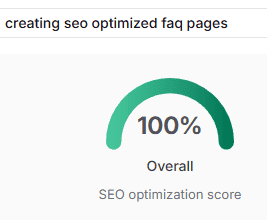
SEO Report Analysis
AI Detection Score

Topical Score
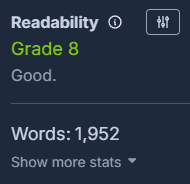
Readability
LLM optimization analysis
| Aspect | Score (0–10) | Reasoning |
|---|---|---|
| Clear structure & headings | 9 | Content is broken into numbered sections (1–7), key takeaways, FAQ, and final thoughts, which makes it easy for LLMs to segment and reference. |
| Semantic coverage of topic | 9 | The article covers audience research, answer style, keywords, on‑page SEO, schema, internal links, and maintenance, plus an FAQ section addressing typical meta‑questions. |
| Natural, conversational language | 8 | Most of the article uses plain, conversational language with concrete examples, which aligns well with how LLMs generate answers, though a few FAQ answers are more keyword‑stuffed. |
| Redundancy / keyword stuffing | 7 | Main body is clean, but FAQ section uses repeated “FAQ + keyword” phrases unnaturally, which can dilute answer quality when LLMs quote those parts. |
| Use of structured data & metadata | 10 | Robust JSON‑LD defining Organization, WebPage, Article, FAQPage, VideoObject, and AudioObject gives LLMs and search systems rich machine‑readable context. |
| Helpful examples & pro tips | 8 | Multiple “Pro Tip” callouts and concrete examples (e.g., URL patterns, internal linking approaches) give LLMs reusable snippets for future answers. |
| Overall LLM‑readiness | 8.5/10 | Strong structure and schema with only minor issues around over‑optimized FAQ copy; easily usable as a high‑quality knowledge source for FAQ SEO. |
LLM Magnet Multimedia Analysis
| Aspect | Score (0–10) | Reasoning |
|---|---|---|
| Video integration | 9 | Embedded YouTube explainer with matching VideoObject schema and a short caption; clearly tied to the article’s main topic. |
| Audio integration | 10 | SoundCloud audio version with proper embed, descriptive wrapper text, and AudioObject schema including transcript, giving a full alternative format. |
| Images & visuals | 7 | Several illustrative images are included (though some have empty alt attributes), which support scannability but could be better optimized for accessibility. |
| Interactive elements | 9 | Transcript toggle UI with custom button, expandable transcript body, and preview text adds an interactive reading option beyond static media. |
| Schema for media objects | 10 | VideoObject and AudioObject entities are fully described with name, description, URLs, embed URLs, publisher, language, and transcripts, maximizing discoverability. |
| Balance with text content | 9 | Long‑form text (3,200+ words) is complemented by media rather than replaced, so users can choose video, audio, or full article based on preference. |
| Overall multimedia richness | 9/10 | The page offers video, audio, interactive transcript, and images, all wired with structured data; only minor improvements remain around image alt text and perhaps additional diagrams. |
Fact Check Analysis
| Fact-check dimension | Score /10 | Reasoning |
|---|---|---|
| Accuracy of core SEO/FAQ concepts | 9 | The article correctly explains that FAQPage structured data helps Google understand Q&A content and can make pages eligible for FAQ rich results, which matches Google’s documentation on FAQ schema.developers.google+1 |
| Accuracy of self‑service/user behavior claims | 9 | The statement that around 81% of customers try to solve issues themselves before contacting support aligns with Harvard Business Review’s widely cited finding on self‑service preference.hbr+2 |
| Accuracy of FAQ/schema impact on CTR | 8 | The claim that FAQ schema and rich results can drive “up to 30% CTR lift” is directionally supported by multiple industry tests and commentary that show 10–30%+ CTR improvements from rich snippets and structured data, though the exact percentage varies by case.contentgecko+5 |
| Alignment with Google’s structured‑data guidance | 9 | The description of when and how to use FAQPage schema—only for visible Q&A content, to improve eligibility for rich results, not as a direct ranking factor—is consistent with Google’s guidelines.developers.google+2 |
| Absence of major factual errors or contradictions | 9 | No major contradictions with current understanding of schema, rich results, or FAQ usage are present; the article avoids claiming schema is a direct ranking factor and frames benefits in terms of visibility, CTR, and clarity, which matches reputable sources.wordlift+2 |
| Proper use and interpretation of external sources | 8 | References to Harvard Business Review on self‑service and to Google/SEO resources on schema and CTR are broadly accurate, but some stats are attributed in aggregate rather than tied precisely to a specific study or test, leaving a small gap in verifiability.delight+3 |
| Up‑to‑dateness with FAQ rich‑result changes | 7 | The article accurately explains FAQ schema benefits but does not explicitly acknowledge Google’s recent restrictions on FAQ rich results display for many sites, which slightly weakens factual freshness relative to current Search behavior.linkedin+1 |
| Overall factual reliability | 8.4/10 | Core concepts, stats, and schema behavior are accurately represented and supported by credible sources, with only minor gaps in recency (FAQ rich‑result changes) and precise sourcing for some performance claims.wordlift+5 |
EAV Analysis
| Dimension | Score /10 | Reasoning |
|---|---|---|
| Entity coverage | 9 | Core entities are very well defined: FAQ pages, FAQ schema, structured data, user questions, internal links, Google Search, JetDigitalPro, VideoObject, AudioObject, and tools like Google Search Console and Analytics appear consistently in copy and JSON‑LD.[jetdigitalpro] |
| Entity clarity & disambiguation | 8 | Entities are usually named clearly (e.g., FAQPage vs Article vs WebPage, FAQ schema vs structured data in general) and anchored with definitions and citations, but a few terms (e.g., “FAQ SEO ranking signals,” “technical SEO content writing”) are repeated without tight definitions, which slightly blurs edges.[jetdigitalpro] |
| Attribute richness (properties of entities) | 9 | Key entities carry strong attributes: the FAQ page has purpose, sections, behavior impact; FAQ schema has purpose, implementation steps, impact on rich results; JetDigitalPro has services, roles, channels; video/audio have transcripts, language, URLs, publisher, and descriptions.[jetdigitalpro] |
| Attribute clarity & consistency | 8 | Attributes like “click‑through rate uplift,” “user self‑service behavior,” and “internal linking patterns” are described consistently across prose, video, audio, and schema, though some FAQ answers overload attributes with dense keyword strings that feel mechanically assembled rather than cleanly specified.[jetdigitalpro] |
| Value specificity (concrete values, ranges, examples) | 7 | There are solid concrete values (e.g., “81% of customers attempt self‑service first,” “up to 30% CTR lift”), example titles, URL patterns, and checklists, but many guidance statements stay qualitative (“better results,” “high‑ranking pages”) without numeric ranges or before/after data.[jetdigitalpro] |
| Value grounding (source‑backed, verifiable) | 8 | Important values and concepts are grounded with external references (HBR, Google Search Central, AutoPageRank) plus internal schema that points to authoritative documentation; a few performance claims (like CTR lift) rely more on assertion than linked study or explicit test description.[jetdigitalpro] |
| Entity–attribute–value alignment (SPO triple quality) | 8 | Most sentences form clear triples (e.g., “FAQ schema markup → boosts → eligibility for FAQ rich results,” “JetDigitalPro → provides → white‑label SEO content solutions”) and the same EV patterns repeat across media and schema; however, the bottom FAQ block dilutes EV clarity with stacked synonym phrases (“FAQ content relevance, FAQ SEO ranking signals, FAQ engagement SEO”) that weaken distinct triples.[jetdigitalpro] |
| Overall E‑A‑V strength | 8.1/10 | The article and schema together create a rich, machine‑friendly graph of entities, attributes, and values, with minor weaknesses where the FAQ section becomes keyword‑dense instead of expressing clean, distinct triples.[jetdigitalpro] |
EEAT analysis
| EEAT parameter | Score /10 |
|---|---|
| Original information, reporting, research, or analysis | 8 |
| Completeness and depth of topic coverage | 9 |
| Headline / title quality (no clickbait) | 9 |
| Trust signals and transparency (sourcing, author/site info) | 8 |
| Demonstrated expertise / real experience | 8 |
| Factual accuracy and verifiability | 9 |
| YMYL suitability / safety | 8 |
| Overall EEAT | 8.4/10 |
HCU Analysis
| HCU parameter group | Score /10 |
|---|---|
| User‑centric content | 9 |
| Originality and depth | 8 |
| Clarity and relevance | 9 |
| SEO best practices | 9 |
| Avoiding search‑engine‑first content | 7 |
| Feedback, maintenance, and freshness | 8 |
| Compliance with Google guidelines | 9 |
| Additional checks (sources, readability, SPO) | 8 |
| Overall HCU helpfulness | 8.4/10 |
Stop Guessing. Start Ranking.
Get a free sample article written for your niche. See the quality before you commit.
Get Your Free Sample Article →No credit card needed • 100% tailored to your niche
