

How a National Newswire & ORM Platform Turned a 0% Google AI Citation Rate into Measurable Generative Visibility Using the AHE Framework
For anonymity, the client is referred to as “News Company” throughout this document.
We write SEO articles that rank on Google — so you can focus on your business.
See Writing Plans →Executive Summary
Jet Digital Pro partnered with News Company, a leading B2B newswire, PR distribution, and online reputation management platform, to solve a critical visibility gap. Despite ranking #1 or #2 for numerous high‑value industry queries, the brand was virtually invisible inside AI‑powered answer engines.
The Baseline Shock:
The initial audit revealed a 0% citation rate on Google AI Overviews for queries where an Overview appeared, and only a 25% citation rate on Perplexity. Strong traditional SEO had not translated into generative AI presence.
The AHE Intervention:
We applied the proprietary AHE Framework (Authority, Helpful, Engaging), a four‑pillar system that re‑engineers content for machine extraction through direct‑answer blocks, structured data, and entity‑rich linking. New online reputation management topic clusters were built from the ground up using the same extractable blueprint.
The Outcome:
After implementation, a re‑audit across a refined set of 20 high‑intent keywords showed a dramatic transformation.
- Google AI Overview Citation Rate rose to 25% (from a functional 0%).
- Perplexity Citation Rate surged to 85% (from 25%).
- ChatGPT Citation Rate was established as a new KPI at 55%.
This before‑and‑after case study proves that rank alone is a vanity metric in generative search, and that the AHE Framework + GCR metrics make AI visibility measurable, repeatable, and demonstrable.
Client Background
News Company is a national digital PR distribution service and industry publication. It publishes authoritative content on press release strategy, PR measurement, crisis communication, and online reputation management. The platform enjoys strong domain authority and consistently secures Page 1 rankings for competitive B2B search terms.
Despite this traditional SEO success, the brand was invisible inside AI‑generated answers. When potential customers asked Google, Perplexity, or ChatGPT for guidance on PR measurement, crisis response, or reputation management, News Company’s name never appeared, even for queries where it held the #1 organic position.
The Challenge: SEO vs. GEO Disconnect
Traditional search rankings did not translate into AI citations. Our baseline analysis revealed a clear structural problem:
- 0 of 7 Google AI Overviews that appeared for the target query set cited News Company.
- Only 5 of 20 queries returned a Perplexity citation.
- Competitors with lower organic rankings were being consistently cited.
- The content lacked extractable answer blocks, structured data, and explicit definition formatting, the very signals language models rely on.
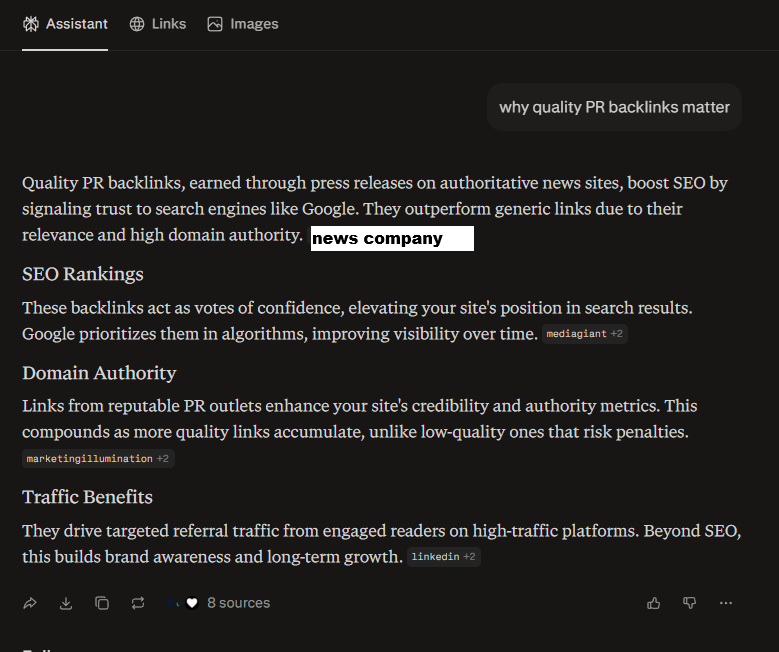
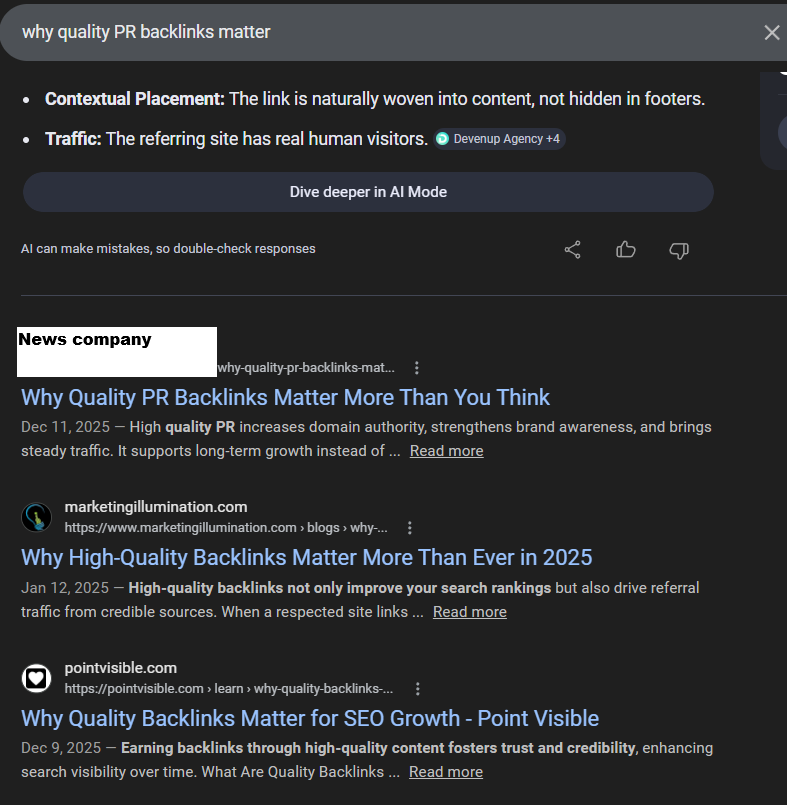
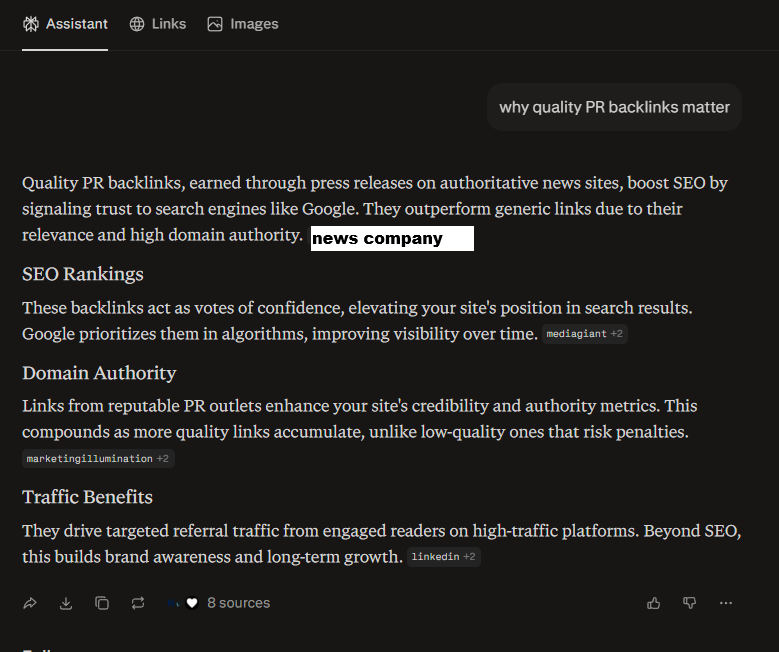
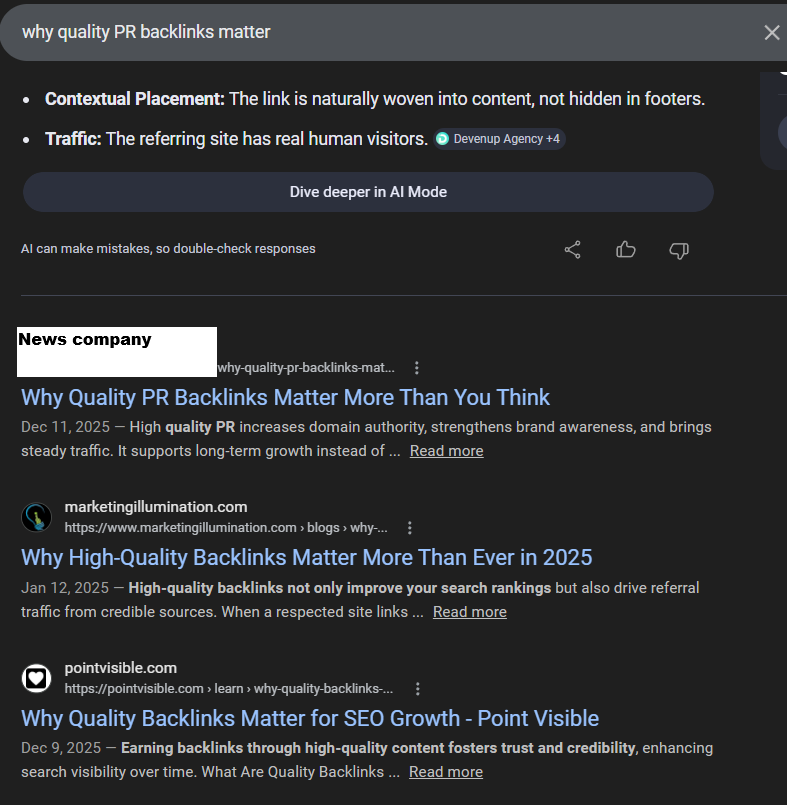
Key Insight: Ranking #1 on Google for “why quality PR backlinks matter” did not earn a citation; Google’s AI Overview ignored the page in favor of a source with clearer formatting. High authority without extractable structure equals zero AI citations.
You can see what I mean with the query “Online Reputation Management in court”, “news company” link gains 1st rank in Google page.
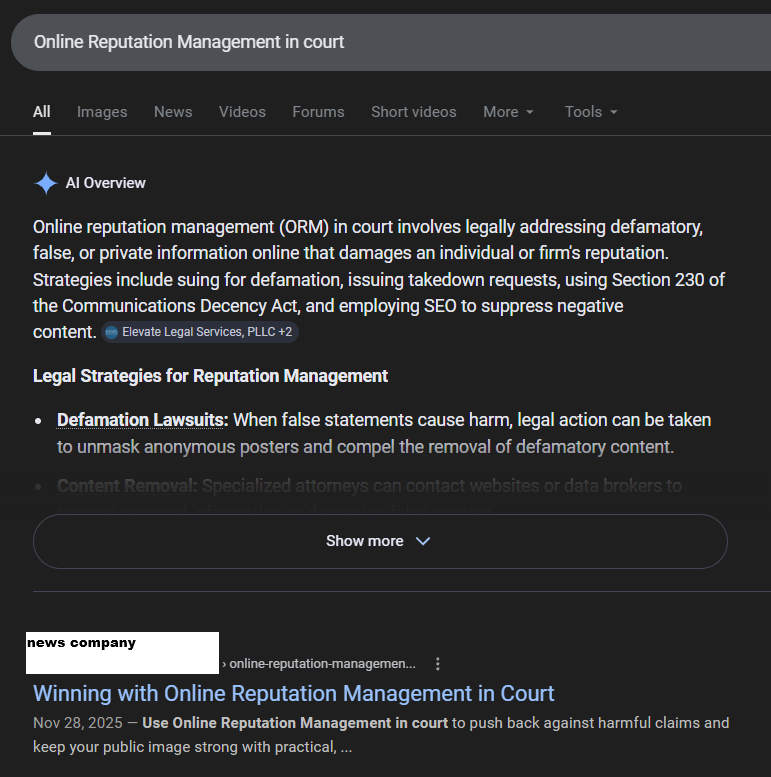
Proof it doesn’t get cited on Overview despite 1st rank.
Our Approach: The JDP Audit Methodology
Jet Digital Pro deployed the AHE Framework (Authority, Helpful, Engaging) , a systematic process that bridges traditional SEO and Generative Engine Optimization (GEO). Execution followed the 4‑A Pillars of the JDP Method:
|
Pillar |
Focus & Execution |
|---|---|
|
1. Audit & Map |
Identified 20 high‑value informational queries across PR measurement, crisis communications, and ORM. Manually verified presence in Google AI Overview and Perplexity. |
|
2. Answer Engineering (Diagnostic & Implementation) |
Diagnosed “Contextual Burial”, answers existed in long‑form text but were not surfaced in machine‑readable blocks. Restructured content with direct‑answer blocks, definition lists, FAQ schema, and numerical specificity. |
|
3. Authority Building |
Audited citation consistency across industry directories and news sources. Pursued contextual backlinks from PR and marketing publications. |
|
4. Data‑Driven Iteration |
Established a pre‑optimization GCR baseline, then monitored weekly across Google AI Overviews, Perplexity, and ChatGPT, refining underperforming pages. |
GCR Metrics Definition
Generative Citation Rate (GCR) is the percentage of target queries where the client’s domain is explicitly cited in an AI‑generated answer. It is independent of traditional organic rankings and serves as the north‑star KPI for AI visibility. Post‑optimization, GCR is tracked across three generative engines: Google AI Overviews, Perplexity, and ChatGPT.
Implementation: What We Changed
1. Query Mapping & Baseline Documentation
- Mapped 20 informational queries across PR, SEO, crisis, and ORM clusters.
- Documented a near‑zero Google AI Overview citation rate and 25% Perplexity GCR through multi‑session incognito checks.
2. Content Engineering (On‑Page Optimization)
For each target page, we applied:
- Direct‑Answer Block: A concise 40‑50 word answer placed immediately after the target H2, framed as a definition or key takeaway.
- Extractable Facts: Numerical thresholds, step counts, and specific criteria (“within 24‑48 hours”, “four‑inch minimum slab thickness” equivalent for PR timelines).
- Structured Data Markup: FAQ schema on Q&A‑style pages, Article schema across all content, and HowTo schema for process guides.
- Formatting for Machines: Converted dense paragraphs into Bold Term: Plain English Definition pairs and bulleted lists.
- Internal Linking: Contextual cross‑links between related cluster pages, reinforcing entity salience.
3. Authority Reinforcement
- Audited and corrected NAP/brand citation consistency across PR directories, journalist networks, and industry databases.
- Pursued contextual backlinks from marketing and communications publications.
4. Weekly Monitoring & Iteration
- Checked all 20 queries weekly in logged‑out Perplexity, Google incognito, and ChatGPT.
- Pages close to the citation threshold received additional answer‑block refinement.
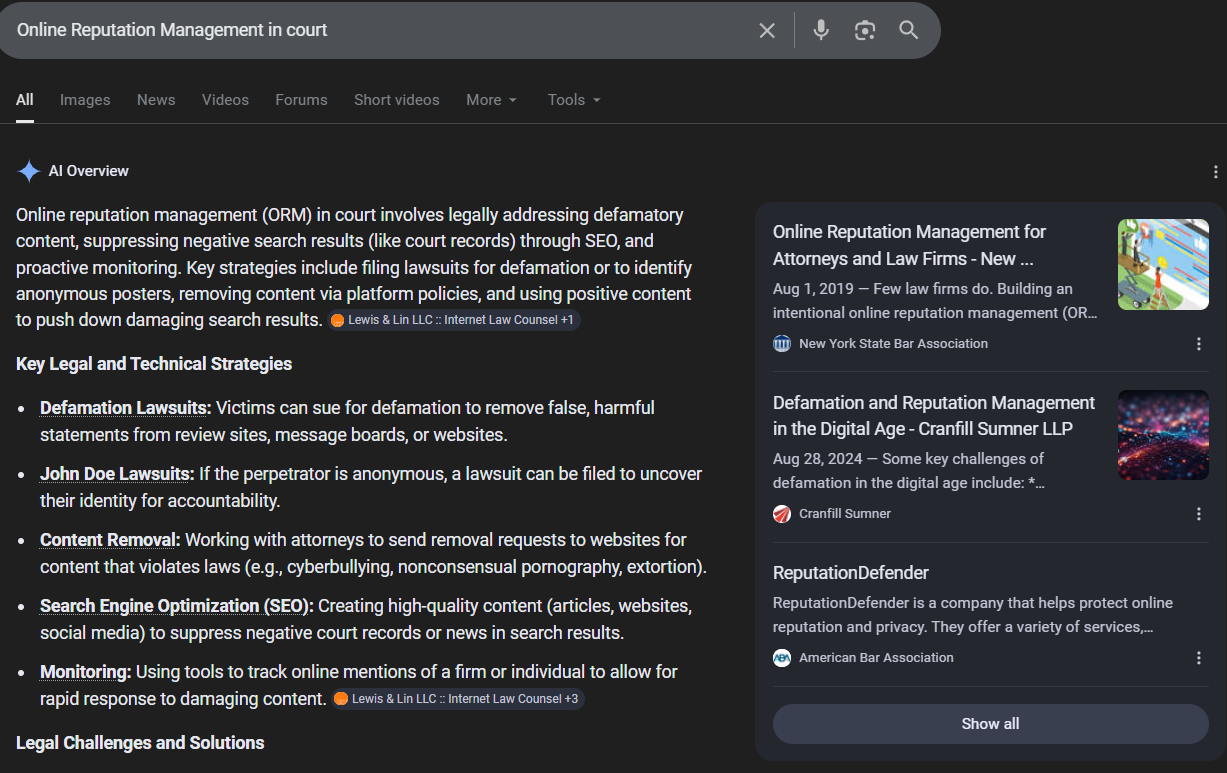
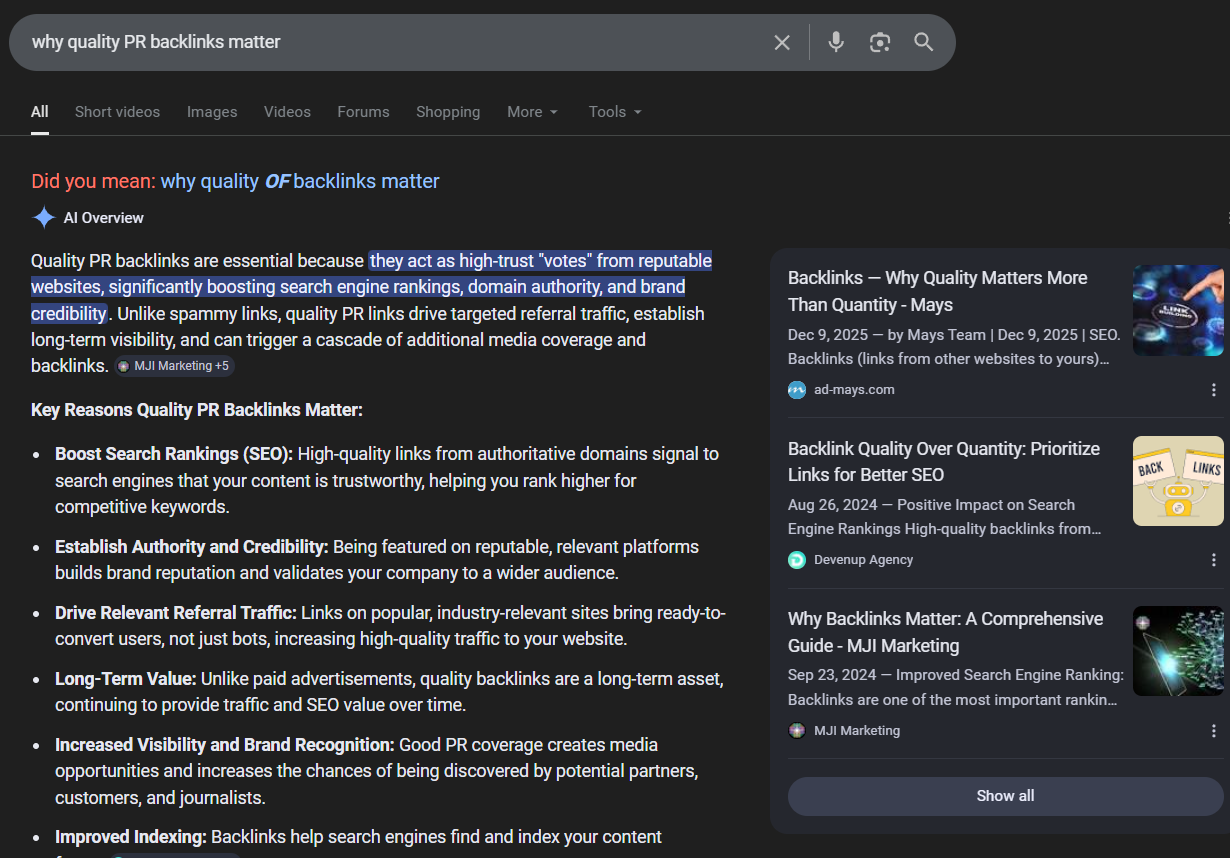
Why This Works: AI systems prioritize content that is directly answerable, easy to extract, and structured for fast interpretation. We did not change the topic or the ranking position, we changed how the information was presented.
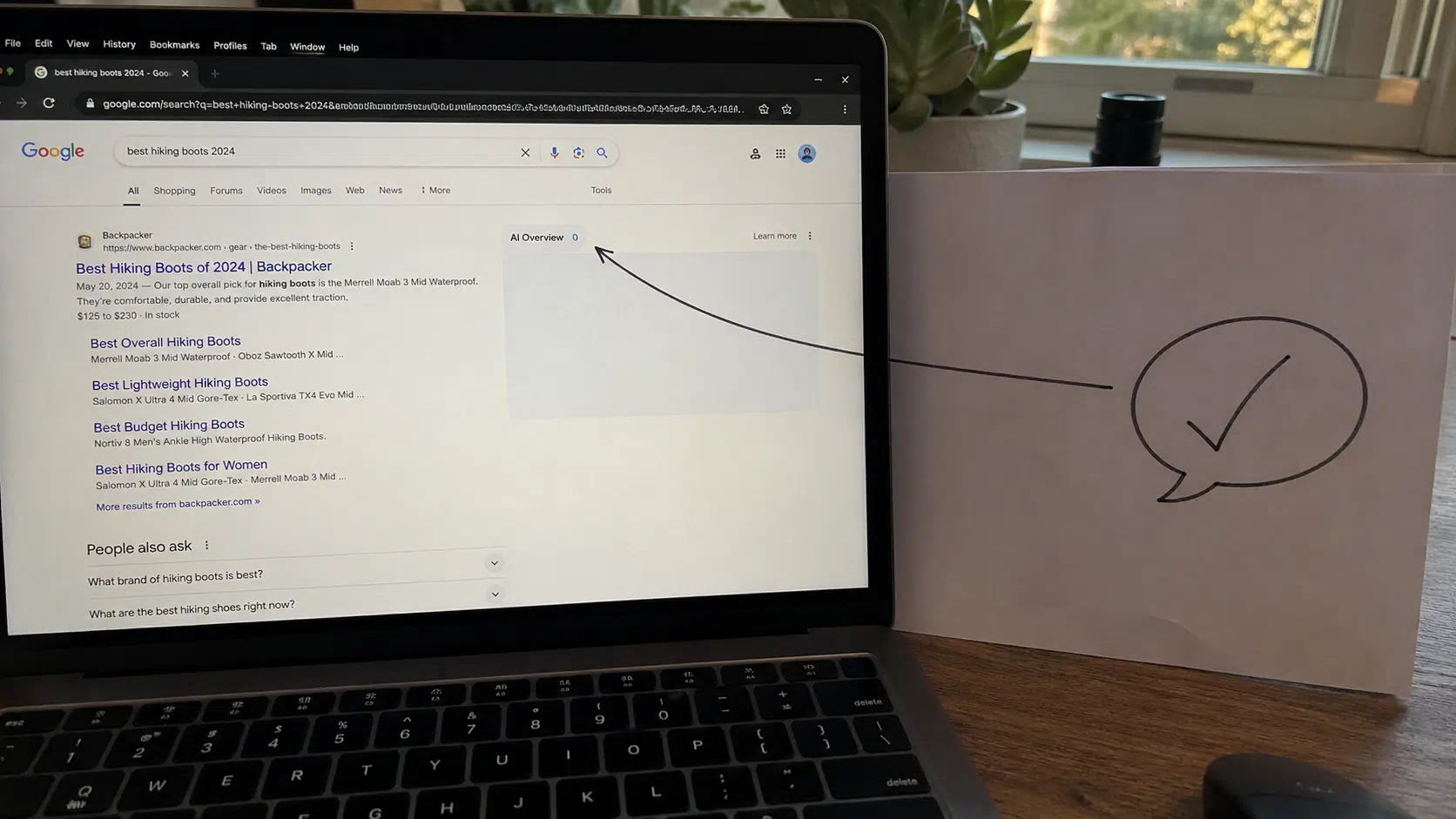
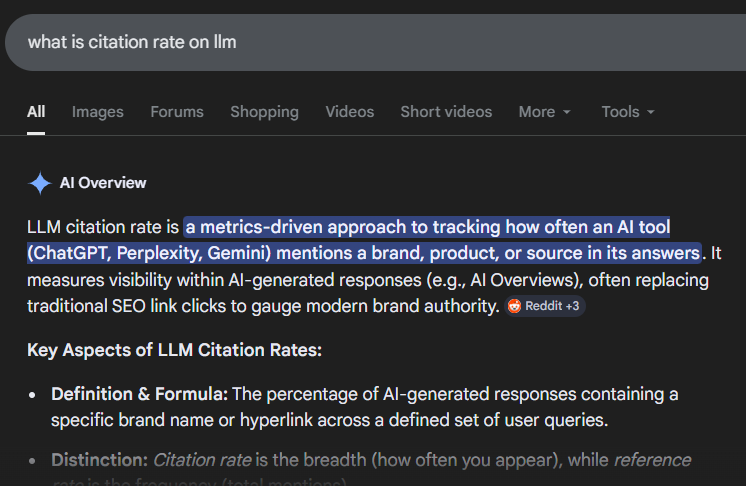
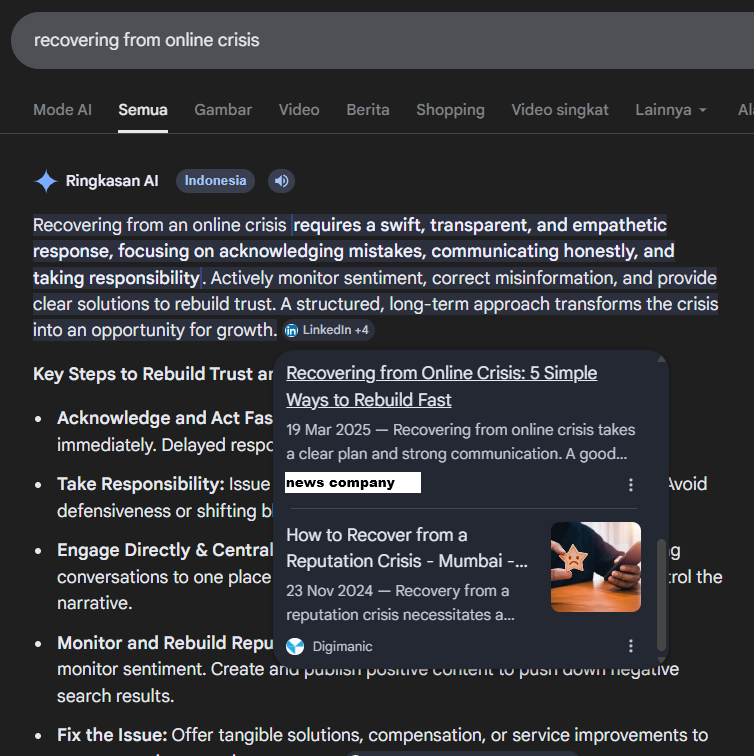
Just like the image below, when we put the query, there will be highlighted text that is a direct and concise answer to the query on the Overview.
The Results: Before‑and‑After Data
Phase 1 Baseline Snapshot (Original 20 Keywords)
The table below reflects the state of News Company’s AI visibility before AHE optimization. This data served as the diagnostic foundation.
|
Keyword |
Google Rank |
AI Overview Citation |
Perplexity Citation |
|---|---|---|---|
|
how to calculate advertising value equivalency |
Not Ranked |
No |
No |
|
why AVE is controversial in PR |
2 |
No |
No |
|
alternative methods to PR valuation |
Not Ranked |
No |
No |
|
communicating PR value to stakeholders |
Not Ranked |
No |
No |
|
beyond AVE what PR metrics |
Not Ranked |
No |
No |
|
how press releases affect SEO |
Not Ranked |
No |
No |
|
do PR links improve rankings |
Not Ranked |
No |
No |
|
why quality PR backlinks matter |
1 |
No |
Yes |
|
guest posts vs press releases SEO |
8 |
No Overview |
Yes |
|
long term SEO benefits of PR |
Not Ranked |
No |
Yes |
|
avoiding PR SEO penalties |
4 Need SEO content that actually ranks? We write data-driven articles designed to bring organic traffic to your site. See Our SEO Writing Plans → |
No |
No |
|
how to write a PR report |
Not Ranked |
No |
No |
|
visualising PR data effectively |
Not Ranked |
No |
No |
|
actionable insights from PR reports |
Not Ranked |
No |
No |
|
PR crisis recovery & reputation repair strategies |
2 |
Yes |
Yes |
|
examples of good & bad crisis management |
Not Ranked |
No |
Yes |
|
public relations nightmare scenarios |
10 |
No |
Yes |
|
how to save money on press releases |
Not Ranked |
No |
No |
|
finding affordable pr distribution |
1 |
No |
Yes |
|
(end of original set) |
Baseline GCR Stats:
- Google AI Overview Citation Rate: 0% on queries where an Overview appeared (the single “Yes” for PR crisis was the exception, not the rule).
- Perplexity Citation Rate: 25% (5 of 20).
Phase 2 Post‑Optimization Snapshot (20 Refined Keywords)
After full AHE implementation, a re‑audit was performed on a strategically selected set of 20 keywords, including original terms and new online reputation management topics built from the ground up with the AHE blueprint. The table below compares the “Before” and “After” states across three generative engines.
|
Keyword |
Google Rank (After) |
AI Overview Before |
AI Overview After |
Perplexity Before |
Perplexity After |
ChatGPT After |
|---|---|---|---|---|---|---|
|
PR crisis recovery & reputation repair strategies |
2 |
Yes |
Yes |
Yes |
Yes |
Yes |
|
long-term SEO benefits of PR |
2 |
No |
Yes |
Yes |
Yes |
Yes |
|
guest posts vs press releases SEO |
8 |
No |
Yes |
Yes |
Yes |
Yes |
|
recovering from online crisis |
2 |
N/A |
Yes |
N/A |
Yes |
No |
|
Online Reputation Management and privacy rights |
1 |
N/A |
Yes |
N/A |
Yes |
No |
|
Online Reputation Management in court |
1 |
N/A |
No |
N/A |
Yes |
Yes |
|
Online Reputation Management crisis management tools |
4 |
N/A |
No |
N/A |
Yes |
Yes |
|
public relations nightmare scenarios |
10 |
No |
No |
Yes |
Yes |
Yes |
|
why AVE is controversial in PR |
2 |
No |
No |
No |
No |
Yes |
|
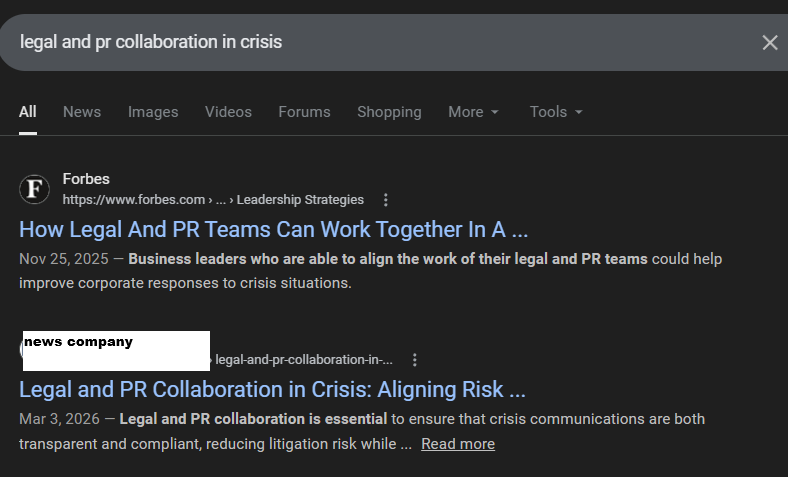
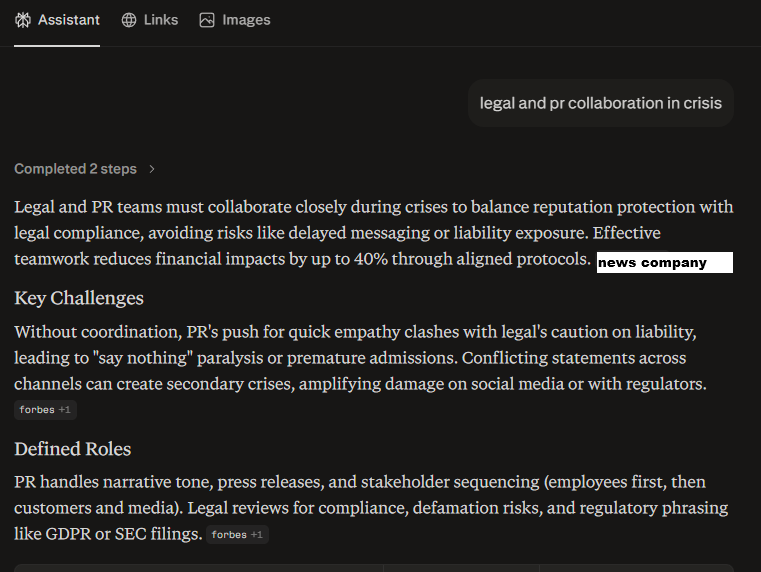
legal and pr collaboration in crisis |
2 |
N/A |
No |
N/A |
Yes |
No |
|
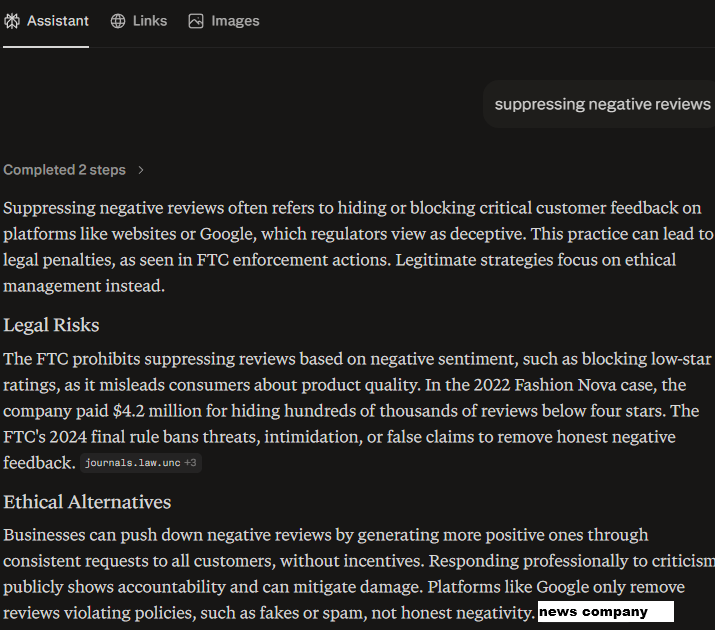
suppressing negative reviews |
2 |
N/A |
No |
N/A |
Yes |
No |
|
Using objective and clear language |
2 |
N/A |
No |
N/A |
Yes |
No |
|
examples of good & bad crisis management |
Not Ranked |
No |
No |
Yes |
Yes |
No |
|
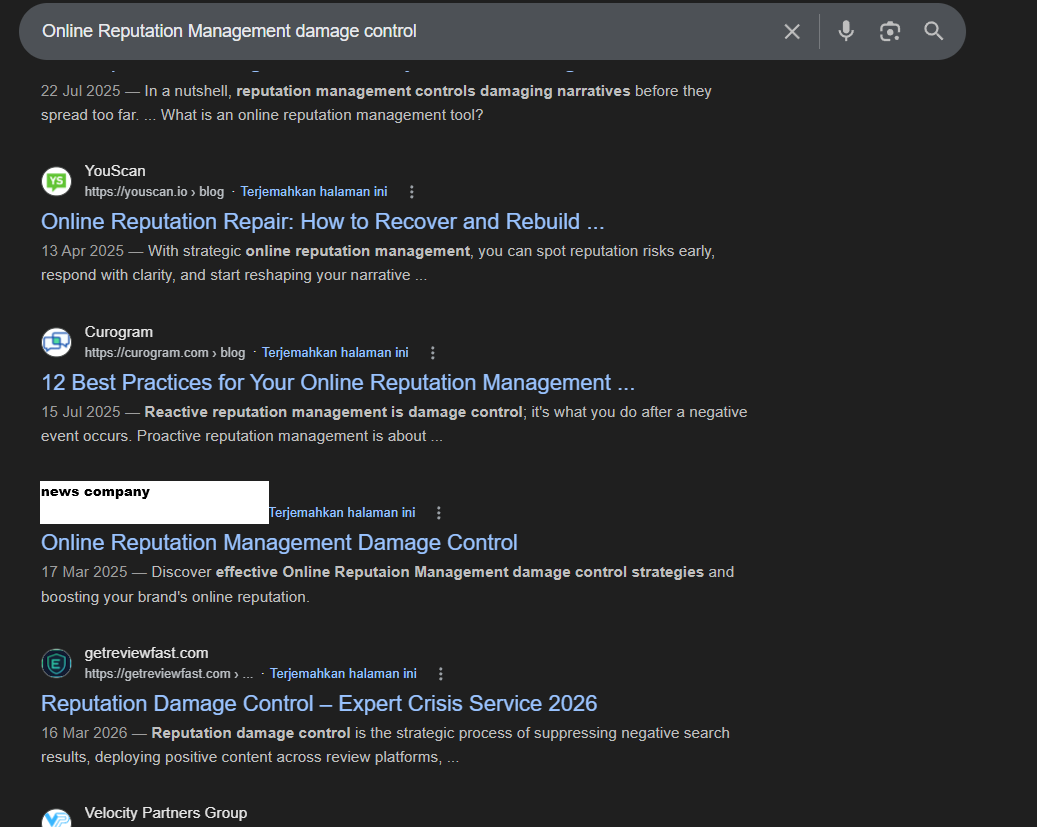
Online Reputation Management damage control |
5 |
N/A |
No |
N/A |
No |
Yes |
|
why quality PR backlinks matter |
1 |
No |
No |
Yes |
Yes |
No |
|
finding affordable pr distribution |
1 |
No |
No |
Yes |
Yes |
No |
|
suppressing negative content SEO |
1 |
N/A |
No |
N/A |
No |
No |
|
how press releases affect SEO |
Not Ranked |
No |
No |
No |
No |
No |
|
avoiding PR SEO penalties |
4 |
No |
No |
No |
No |
No |
|
communicating PR value to stakeholders |
Not Ranked |
No |
No |
No |
No |
No |
Post‑Optimization GCR Metrics (Aggregated):
- Google AI Overview Citation Rate: 25% (5 of 20).
- Perplexity Citation Rate: 85% (17 of 20).
- ChatGPT Citation Rate: 55% (11 of 20).
- Combined ≥1 citation: 90% (18 of 20).
Proof of the Result can be seen here
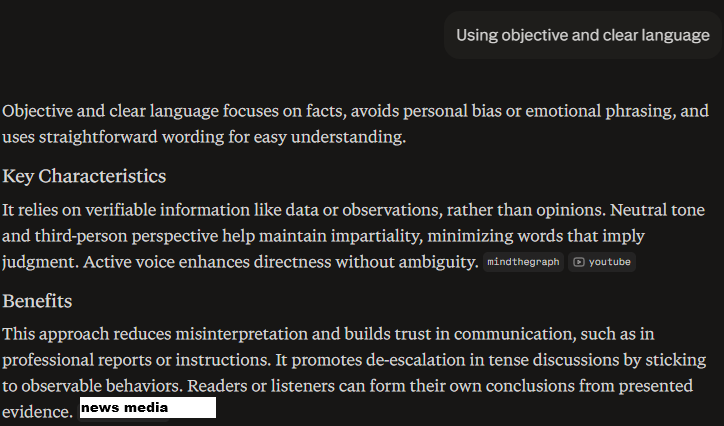
Using objective and clear language [rank 2, not on Overview, on Perplexity, not on ChatGPT]
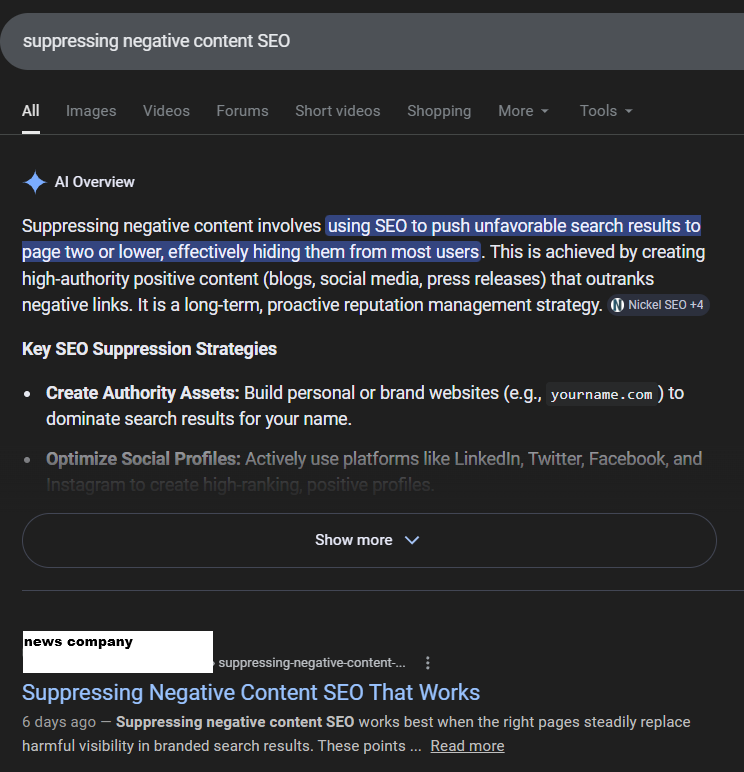
suppressing negative content SEO [rank 1, not on overview, not on ChatGPT, not on Perplexity]
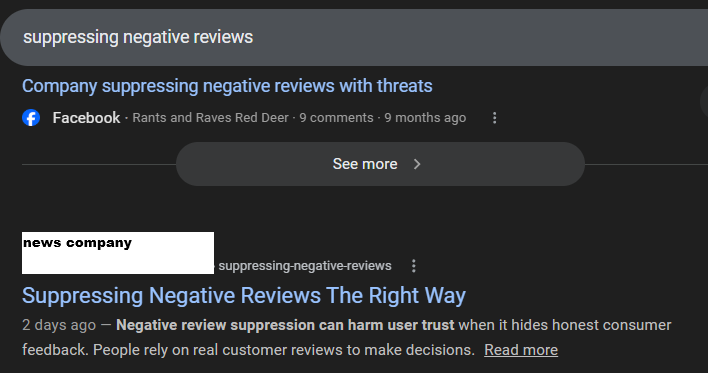
suppressing negative reviews [rank 2, not on Overview, on Perplexity, not on ChatGPT]
legal and pr collaboration in crisis [rank 2, Overview not appear, on Perplexity, not on ChatGPT]
Online Reputation Management damage control [rank 5, cited on ChatGPT more source, not cited on Overview, Perplexity]
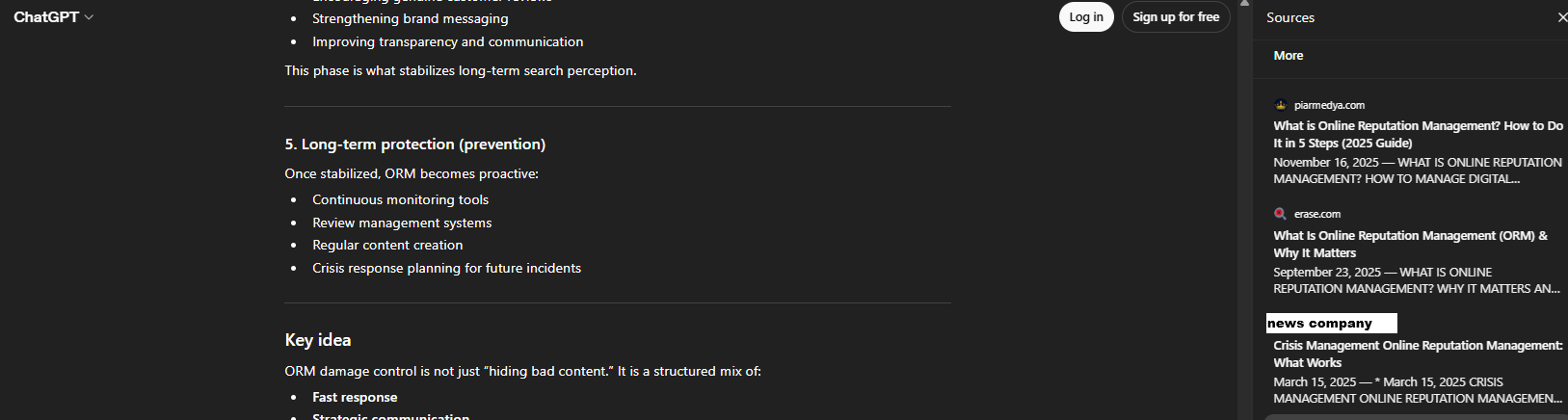
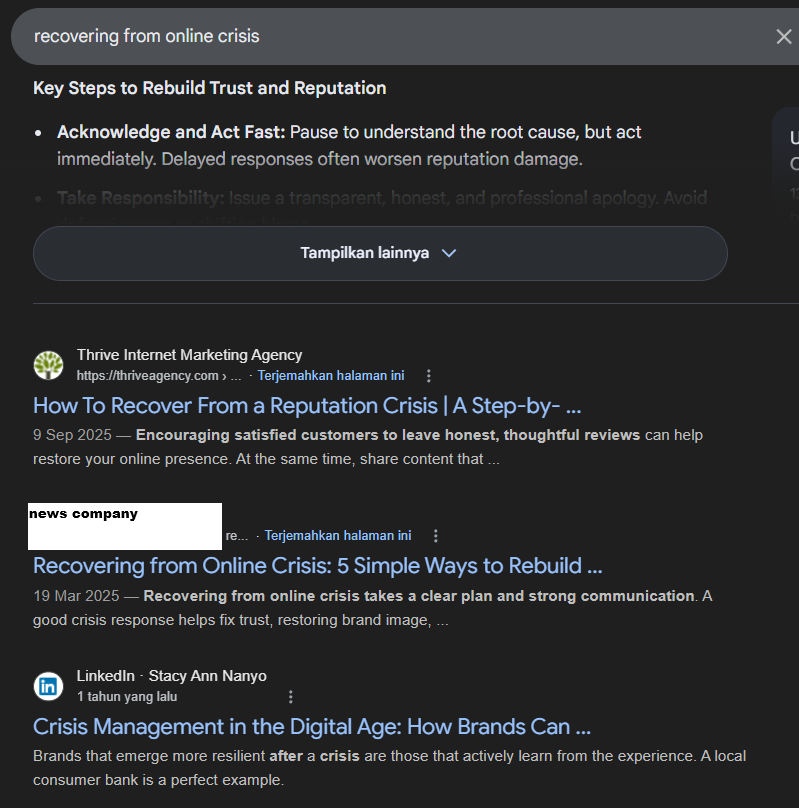
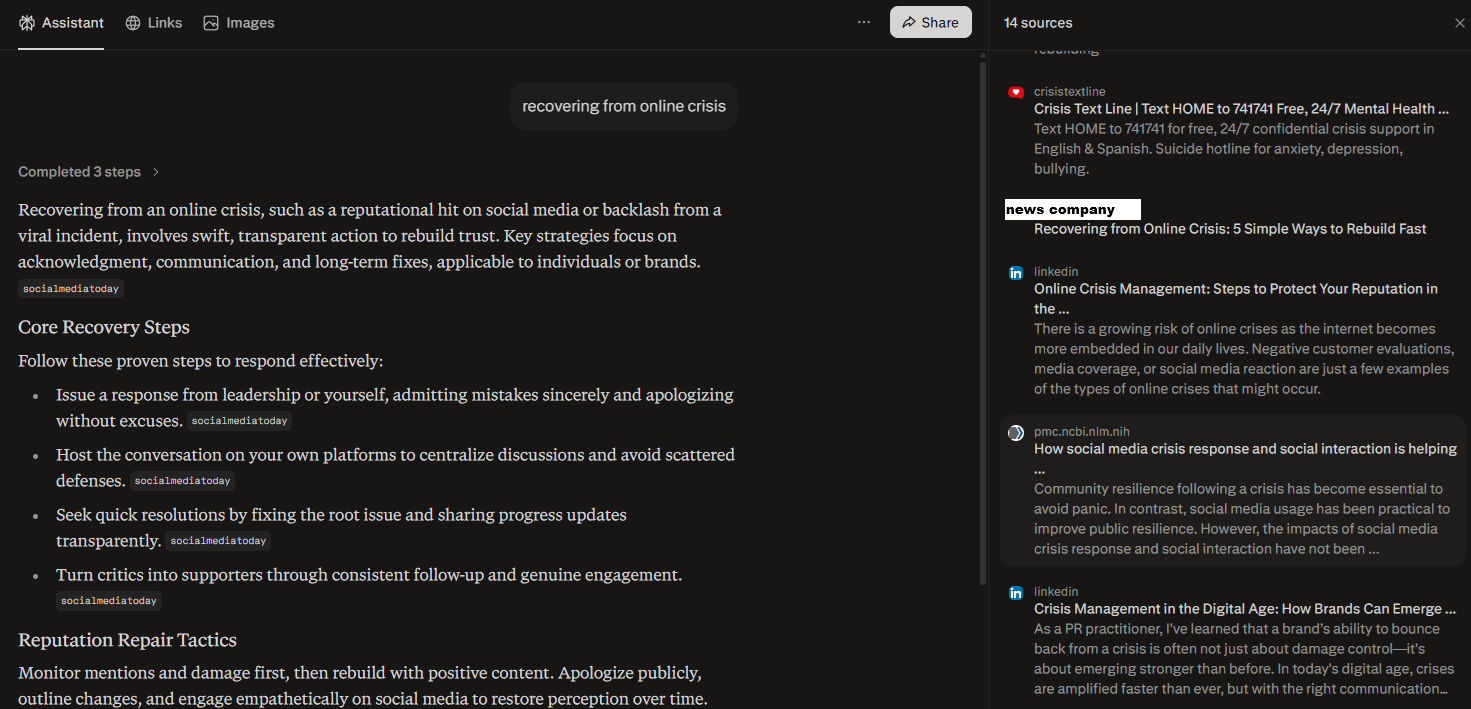
recovering from online crisis [rank 2, cited on Perplexity source, cited on Overview source, not cited on ChatGPT]
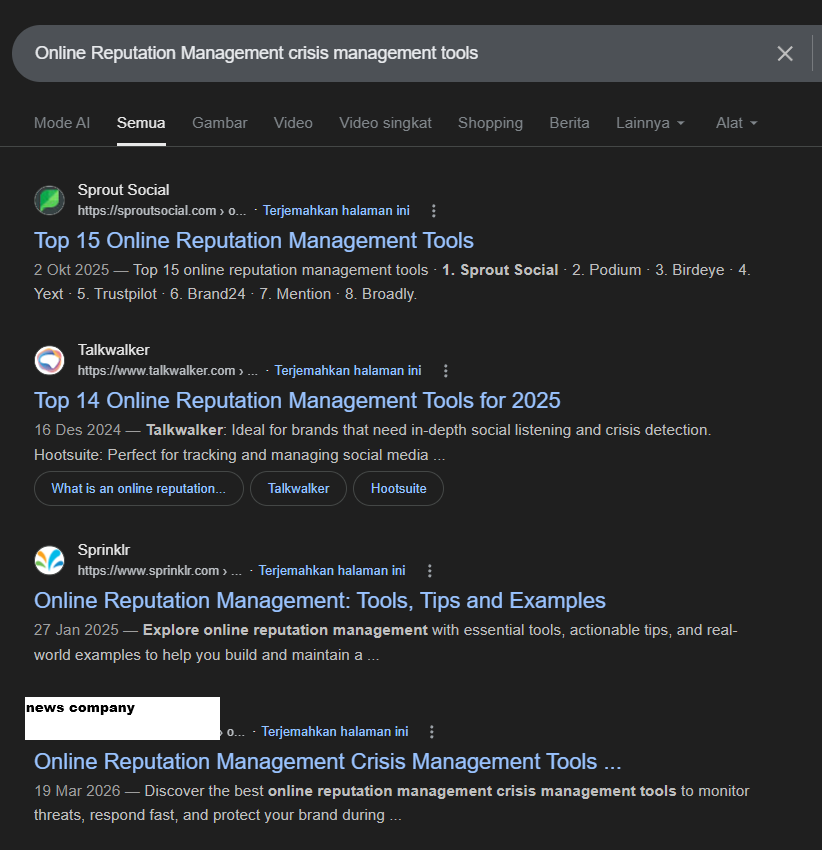
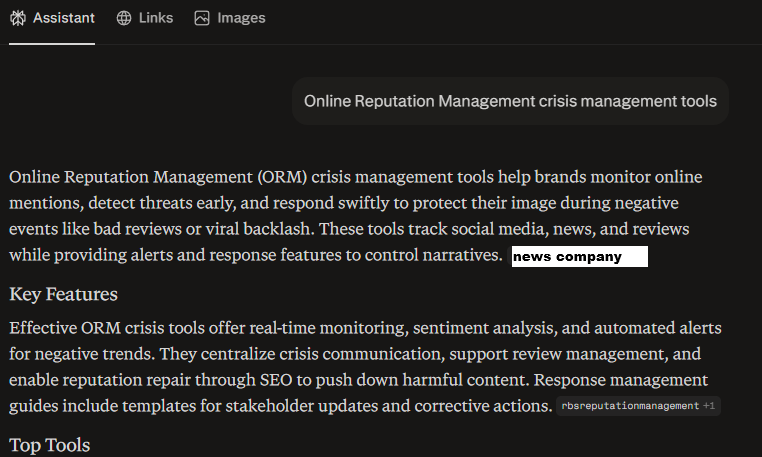
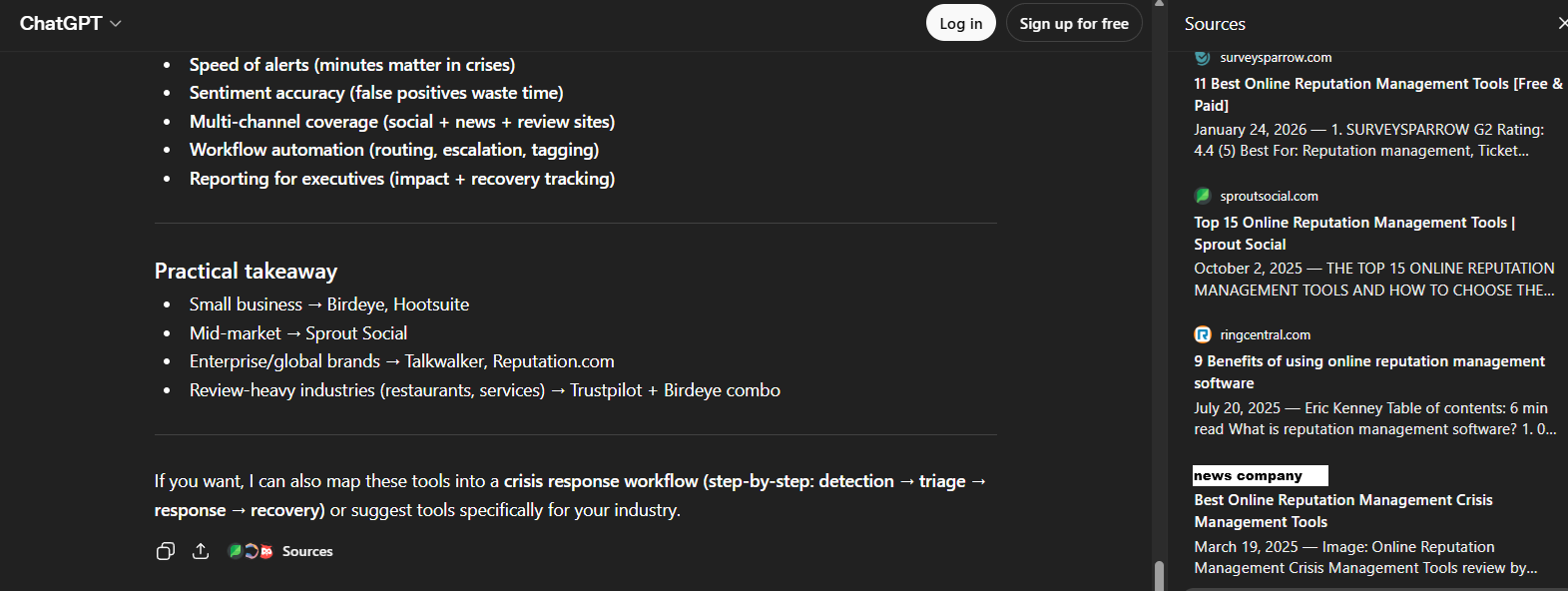
Online Reputation Management crisis management tools [ranked 4, not on overview, on ChatGPT more sources, on Perplexity]
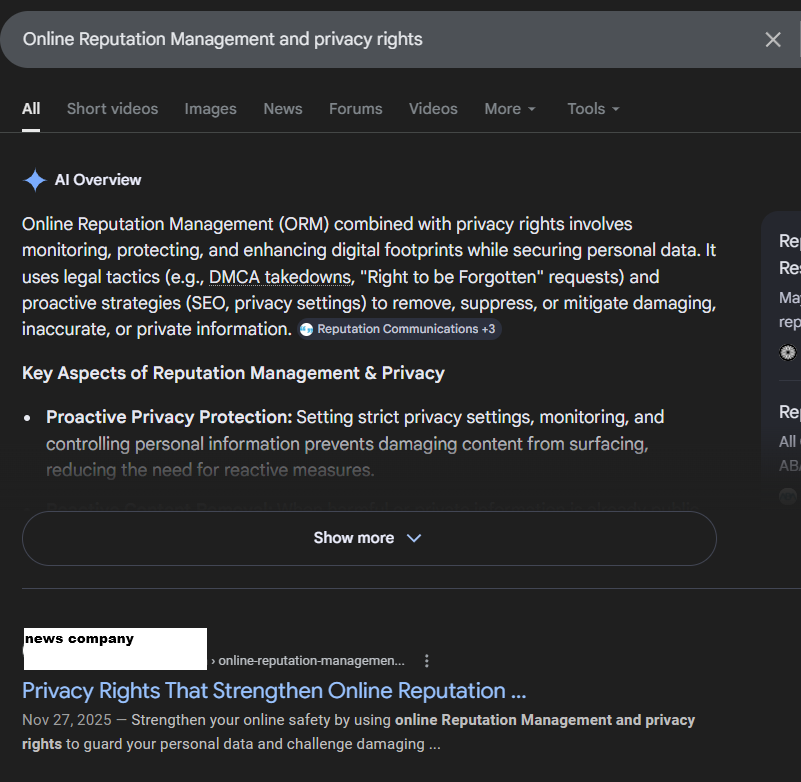
Online Reputation Management and privacy rights [rank 1, on Overview source, on Perplexity, not on ChatGPT]
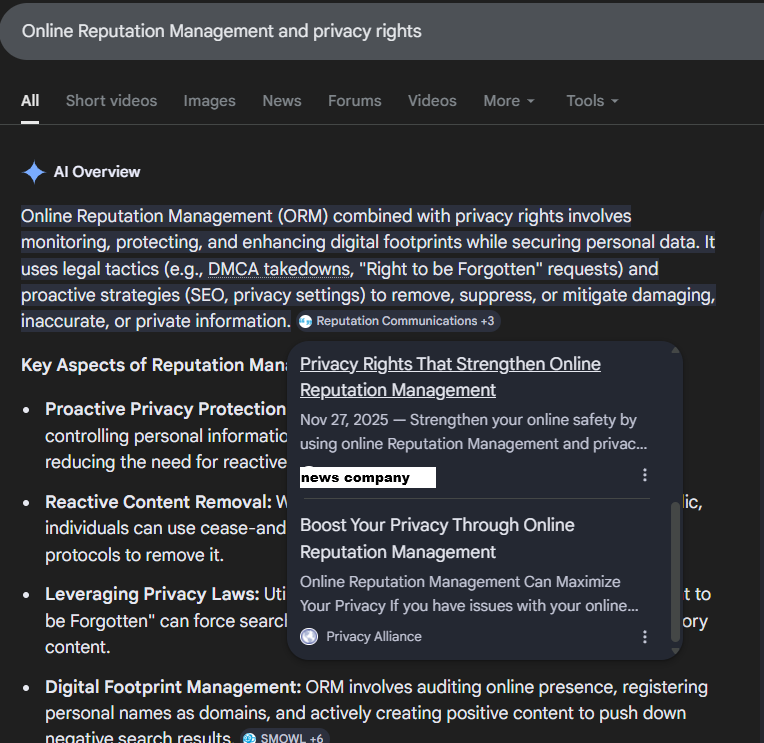
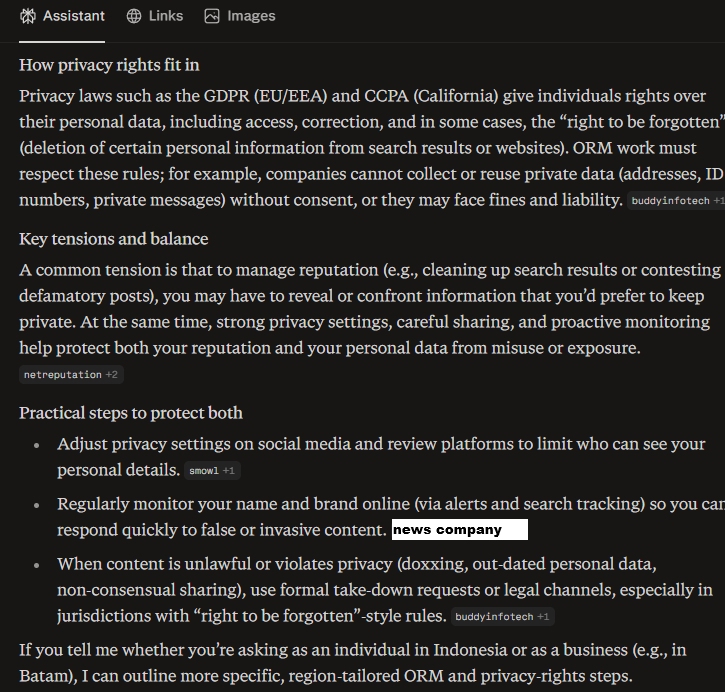
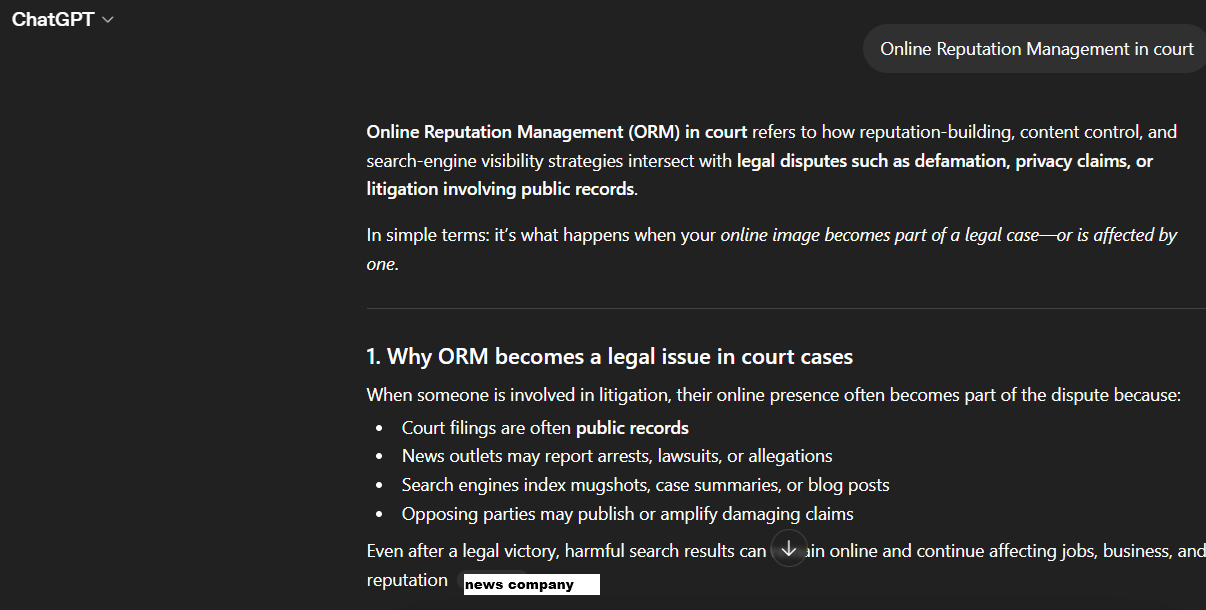
Online Reputation Management in court [rank 1, not on Overview, on Perplexity, on ChatGPT]
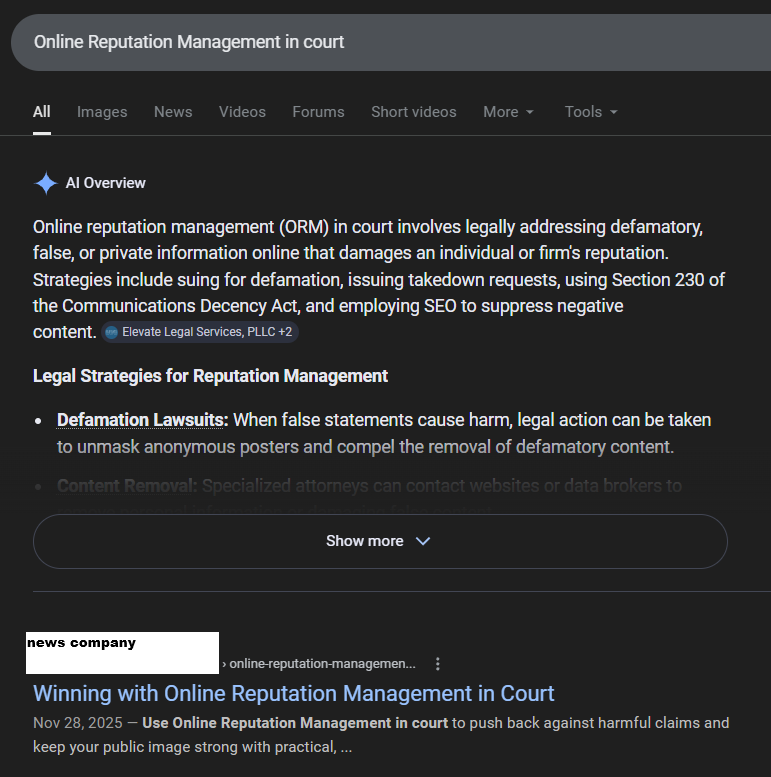
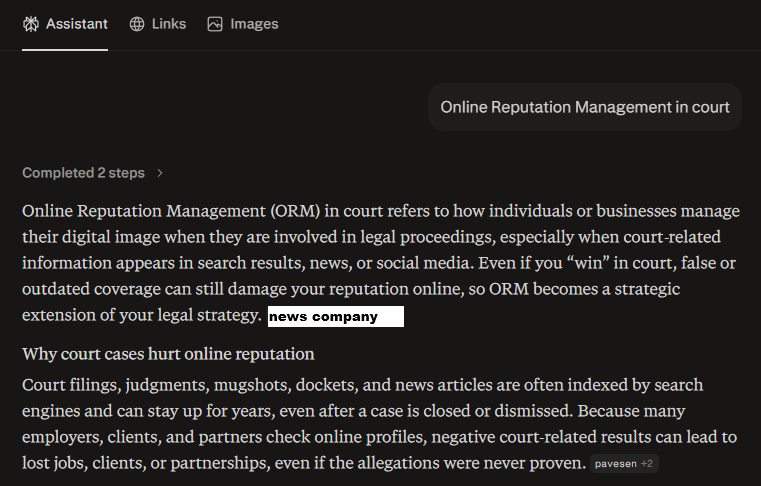
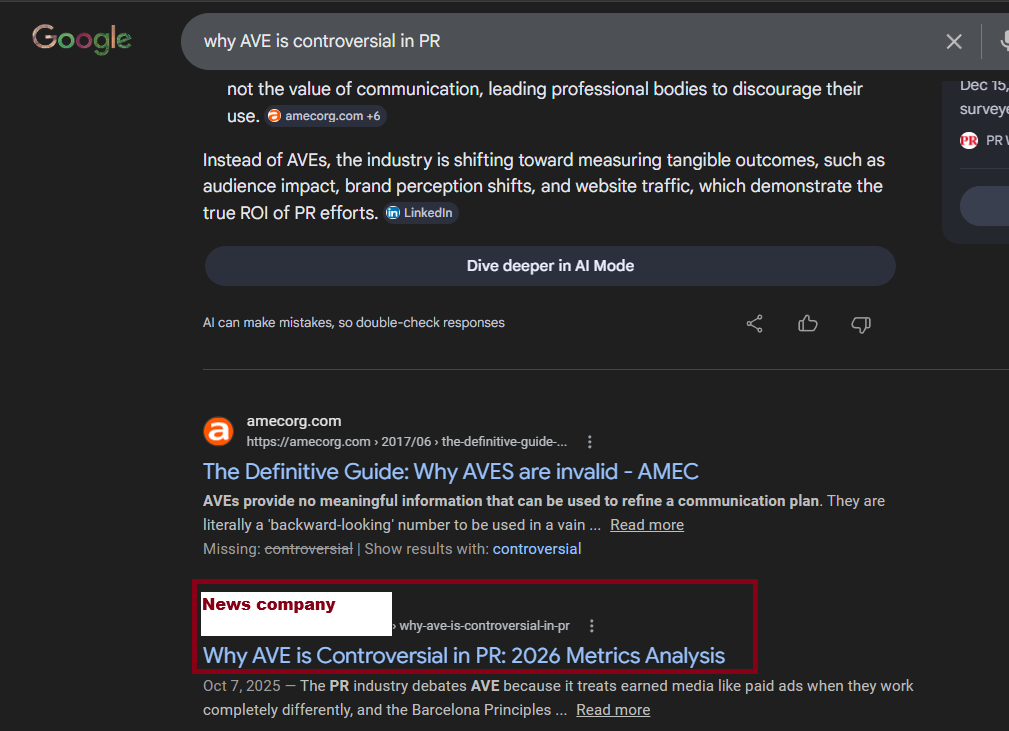
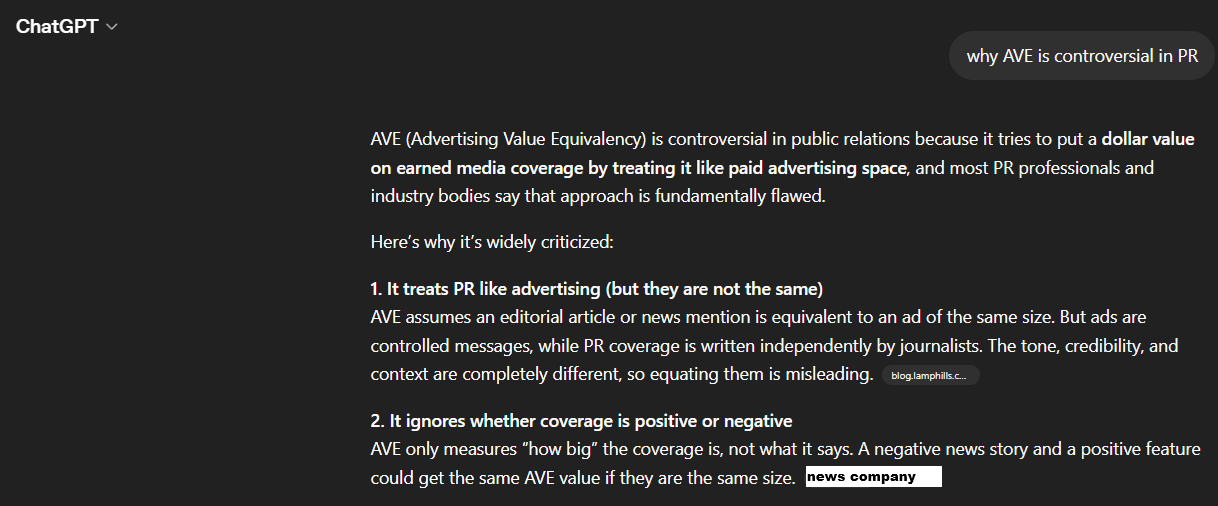
why AVE is controversial in PR [not on Overview, not on Perplexity, on ChatGPT, rank 2]
why quality PR backlinks matter [Google overview not cited, perplexity cited, rank 1, not on ChatGPT]
guest posts vs press releases SEO [rank 8, on Overview, cited on source [perplexity], on ChatGPT more source]
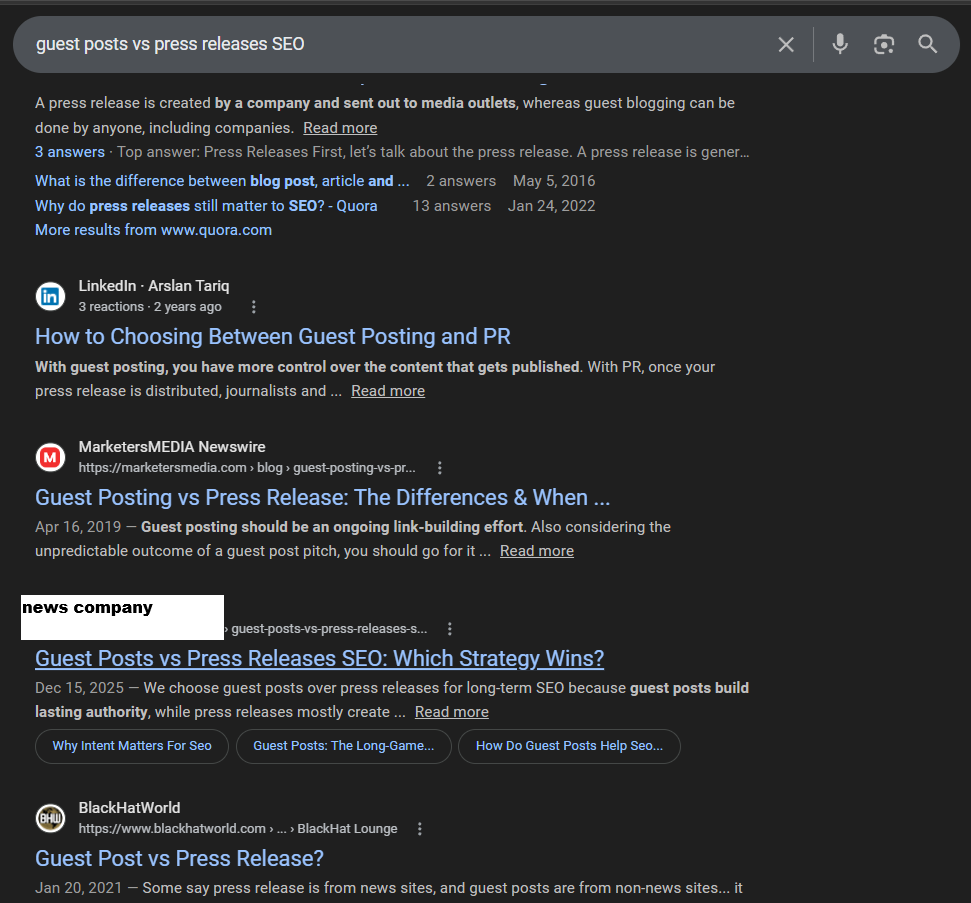
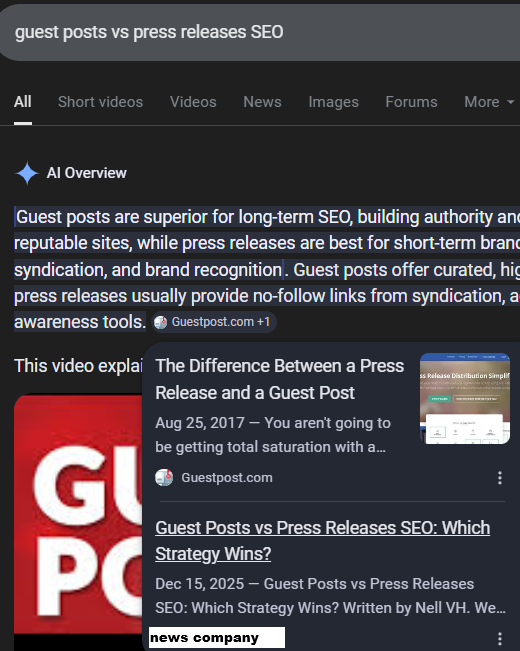
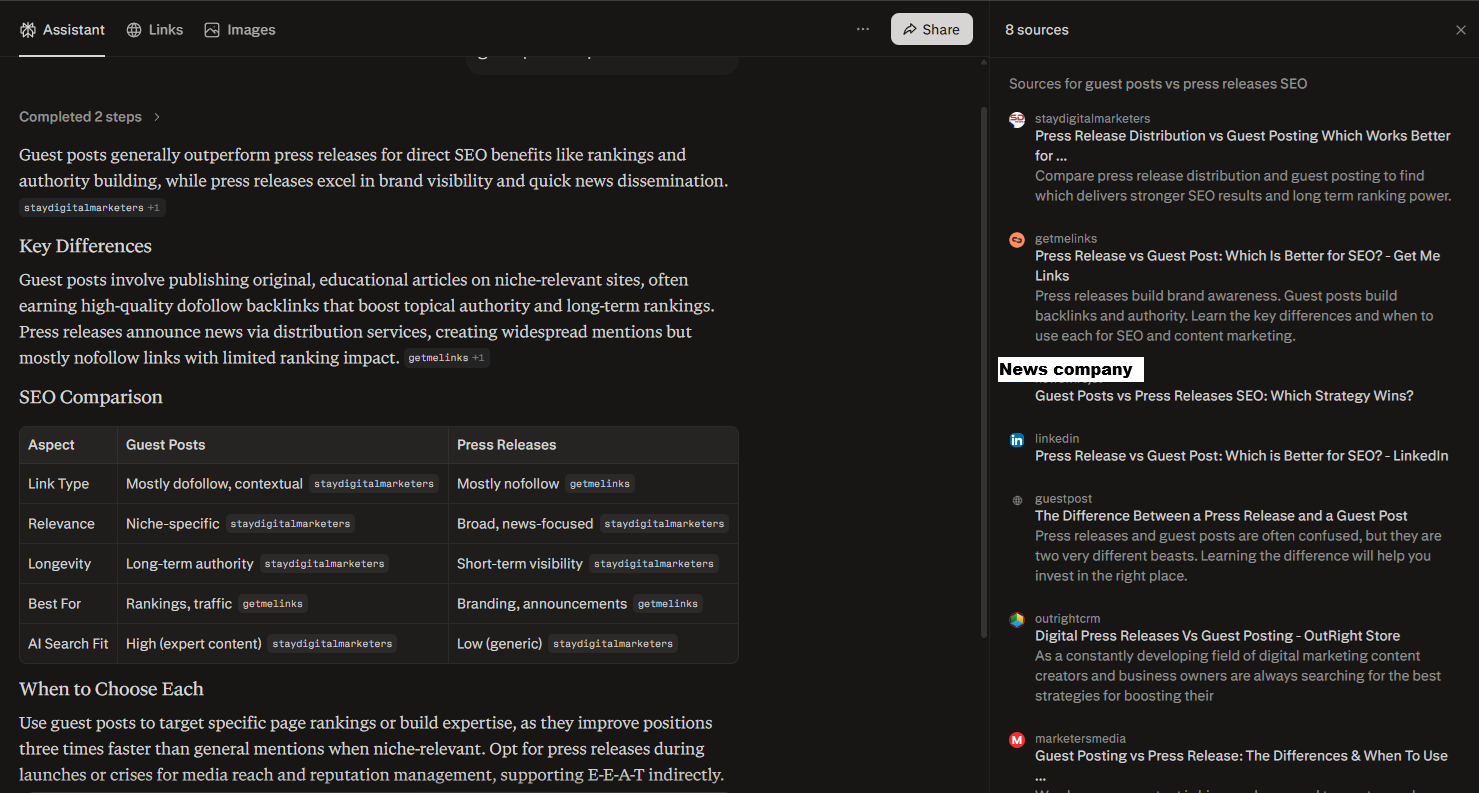
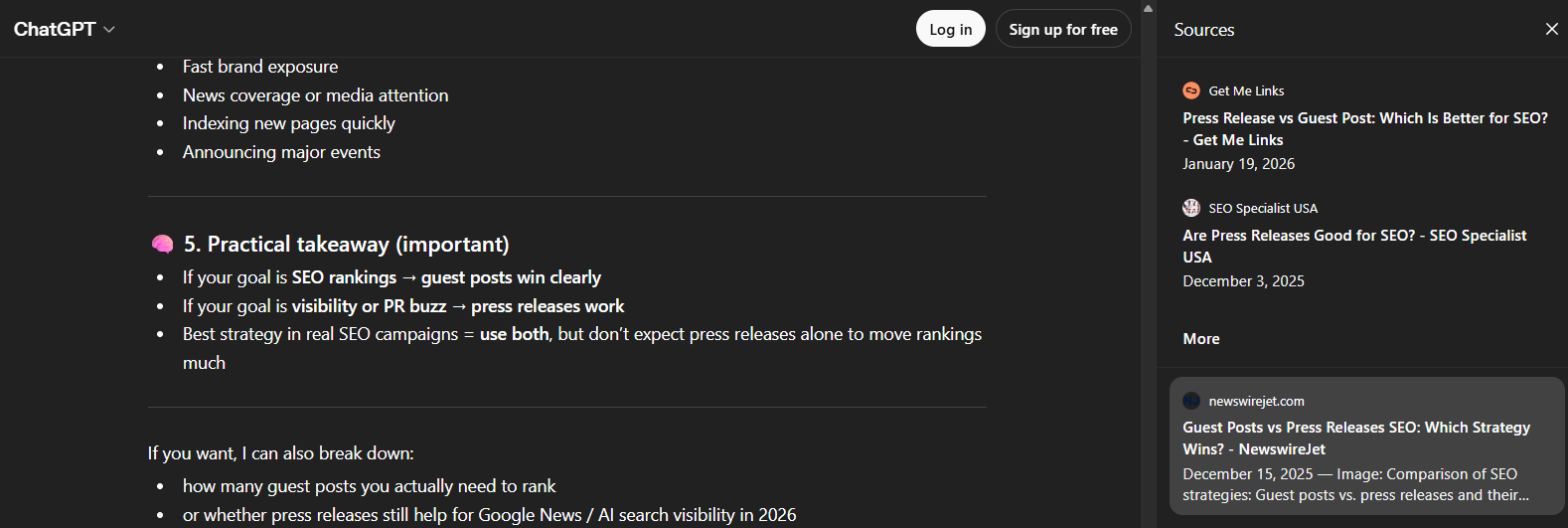
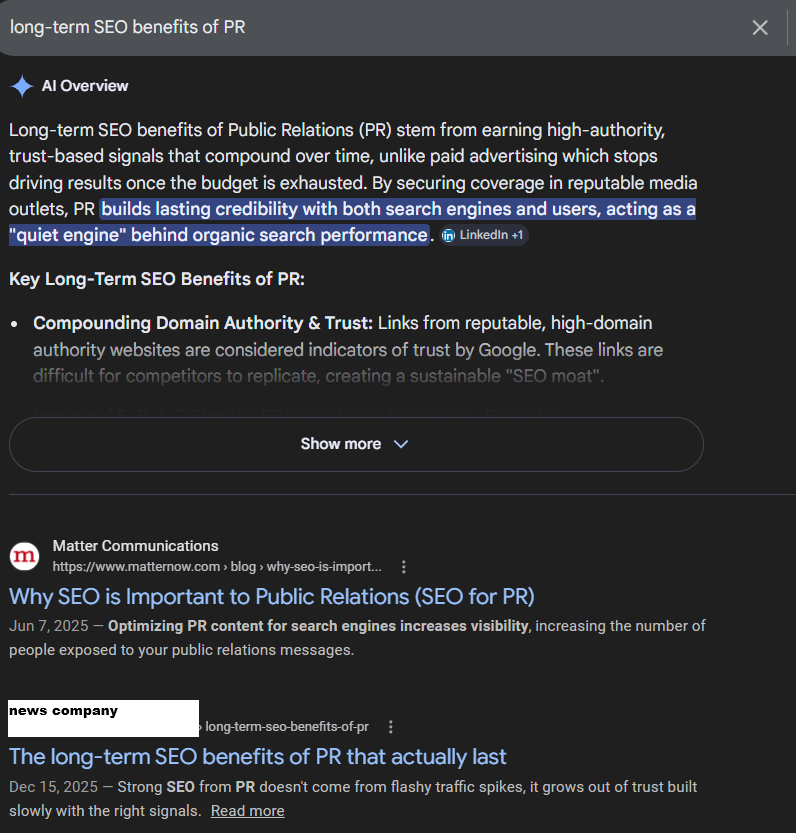
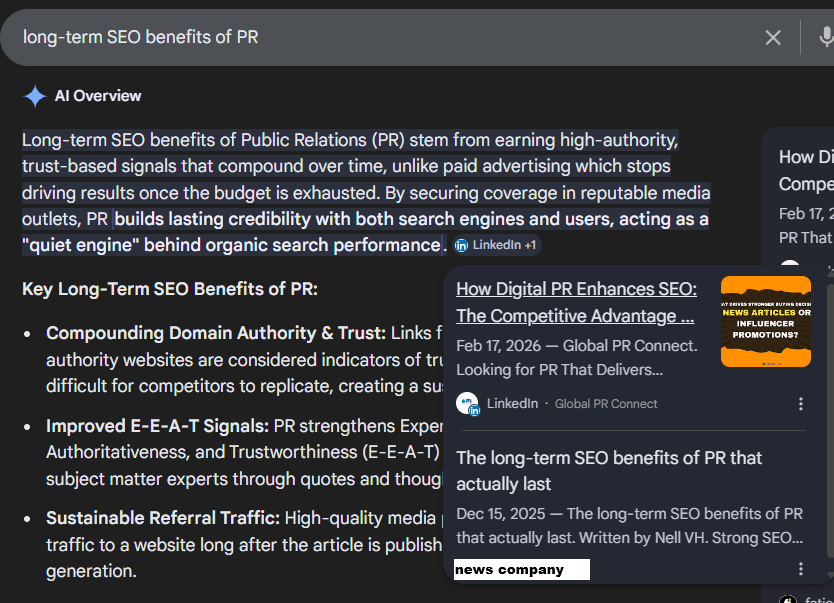
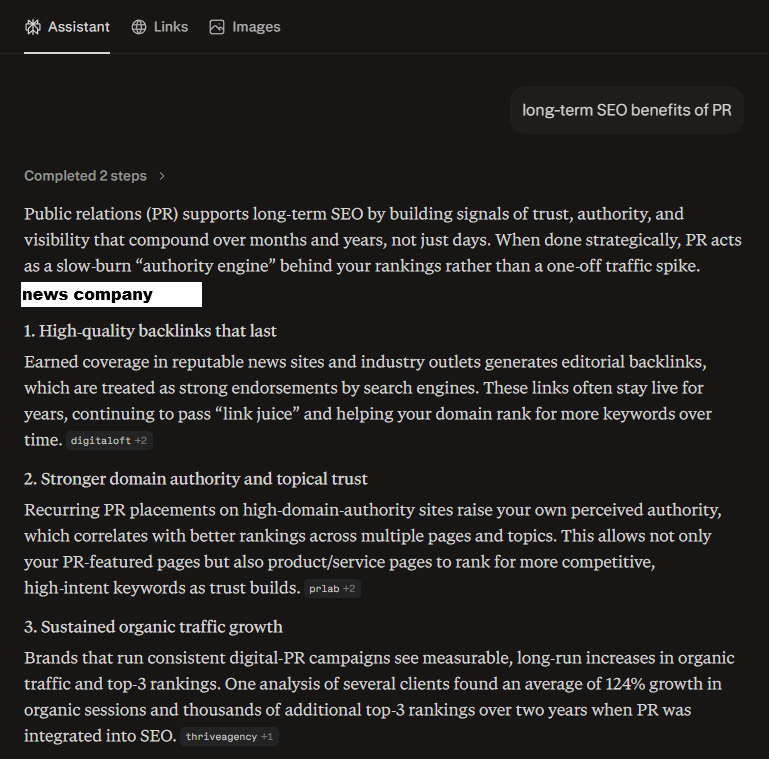
long-term SEO benefits of PR [rank 2, on Overview, cited on Perplexity, on ChatGPT]
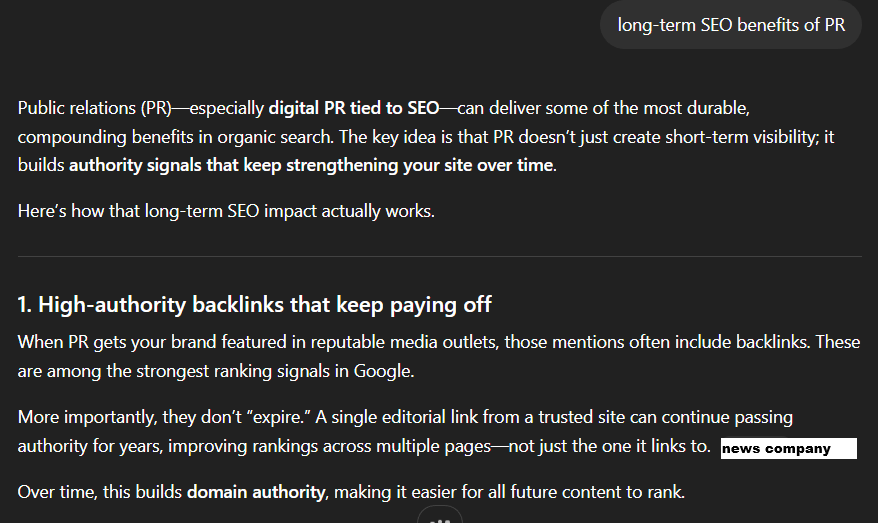
PR crisis recovery & reputation repair strategies [rank 2, cited on Perplexity, overview, ChatGPT]
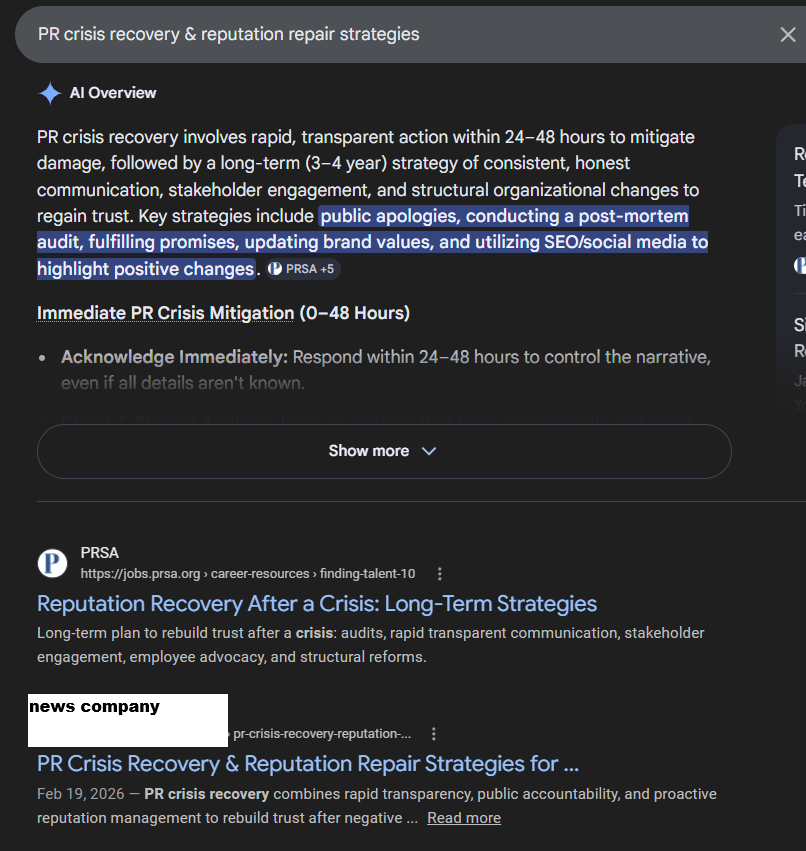
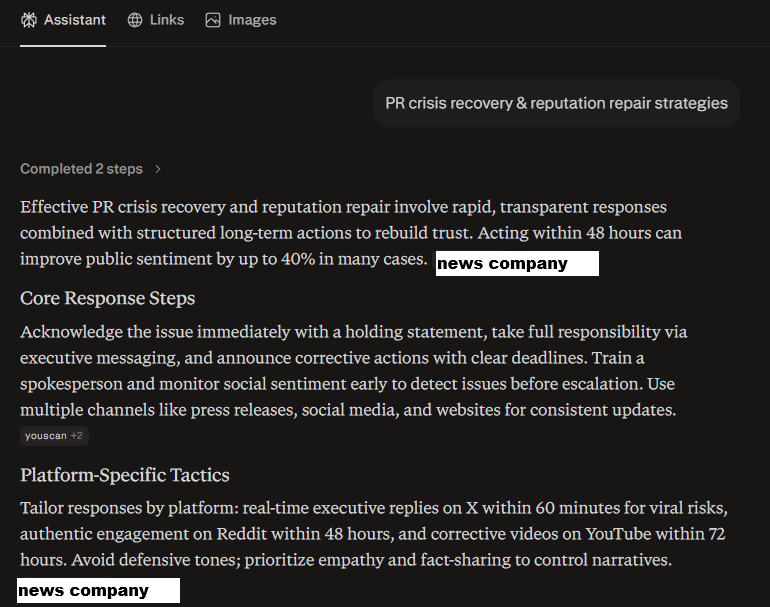
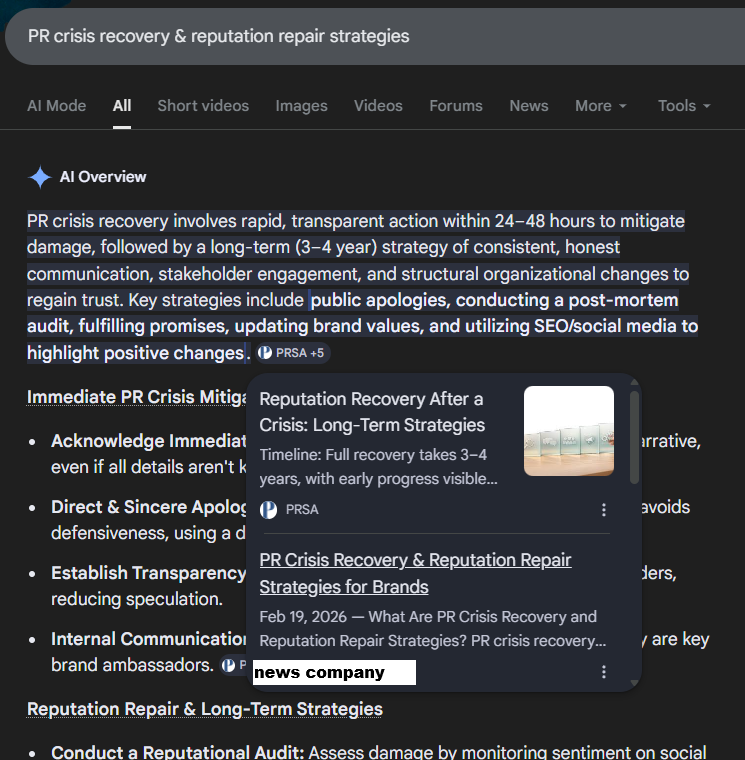
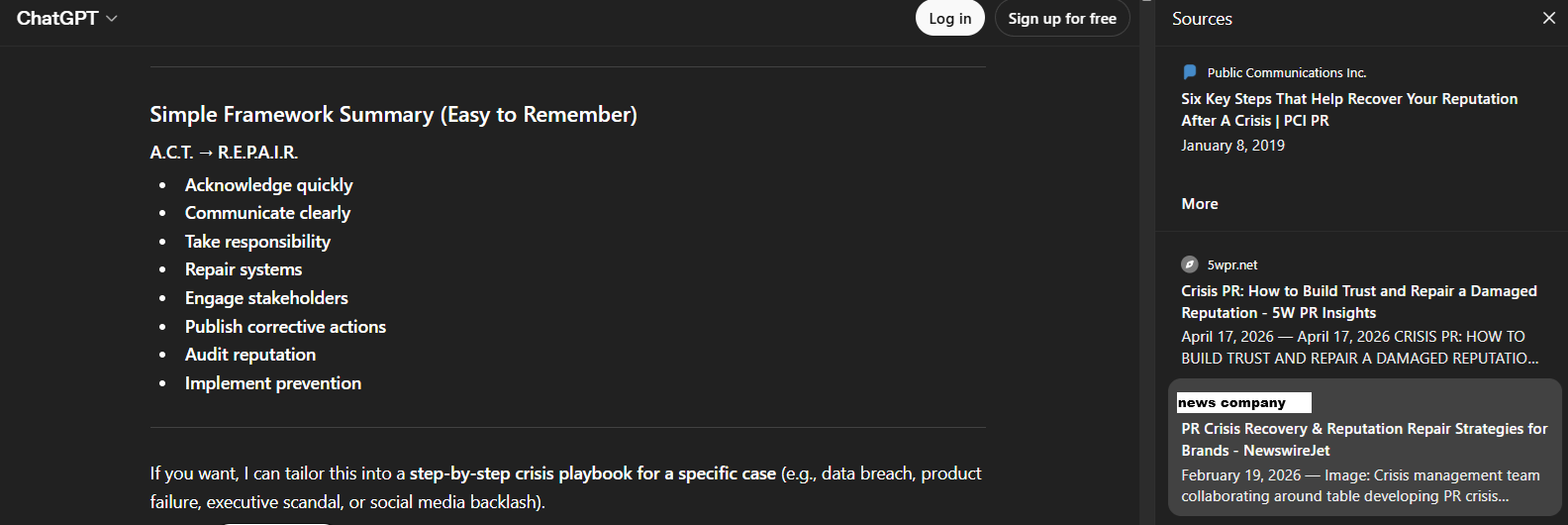
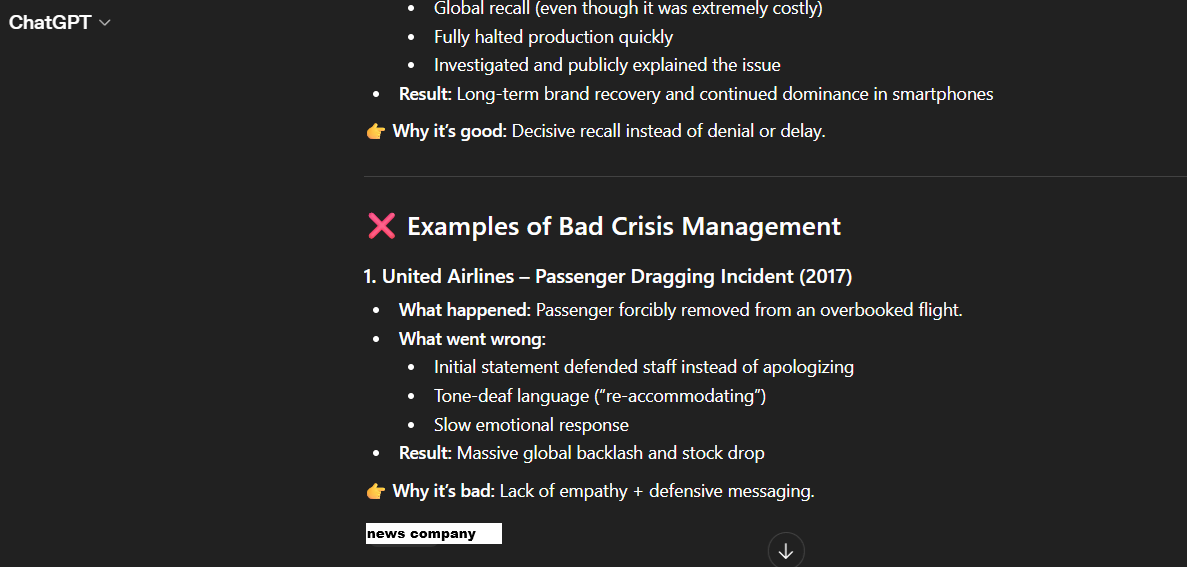
examples of good & bad crisis management [cited on perplexity, not ranked on Google, nor cited on Overview, ]
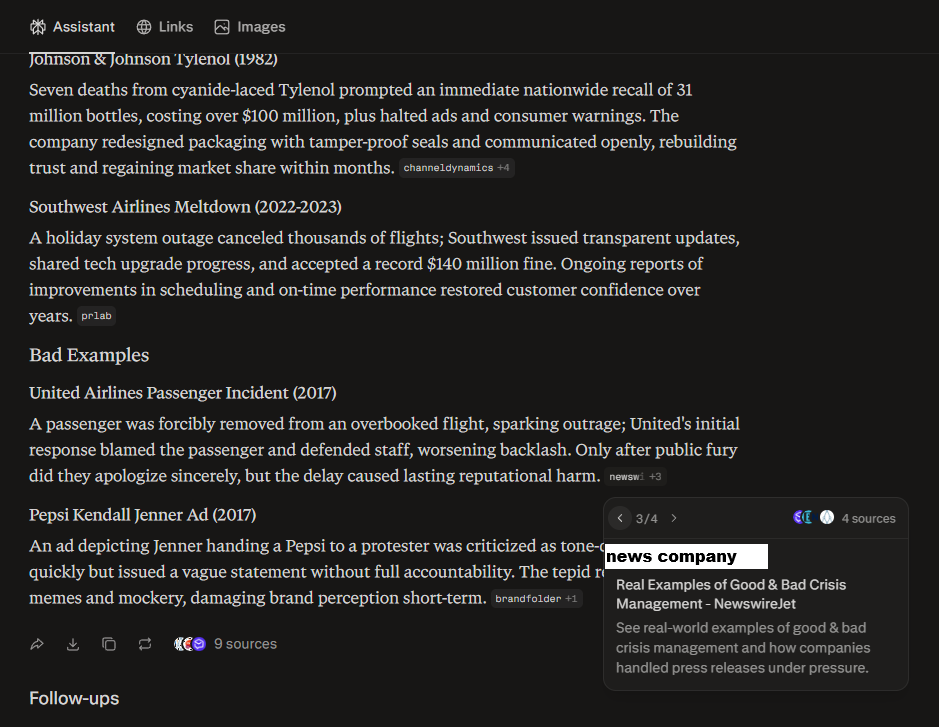
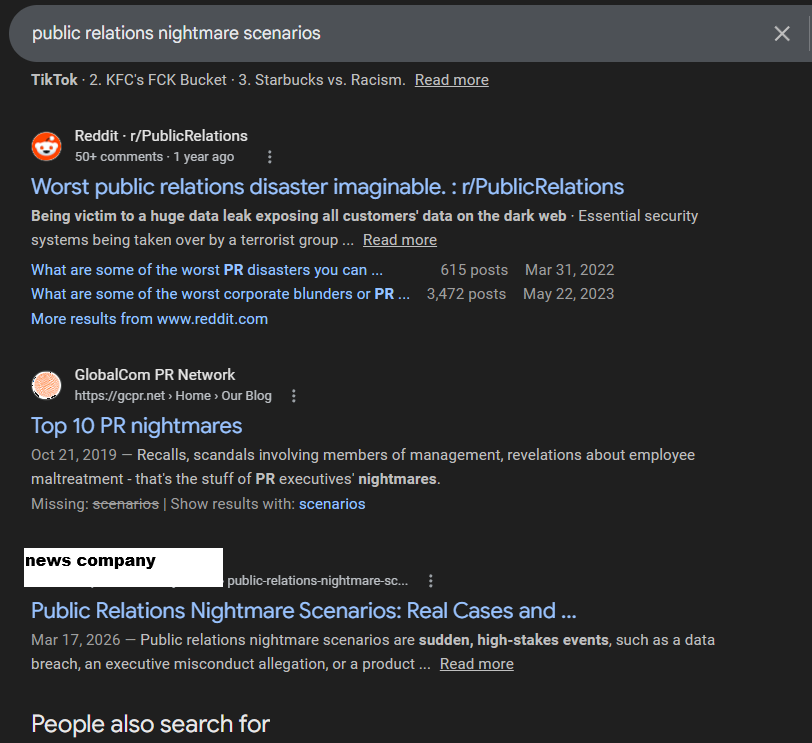
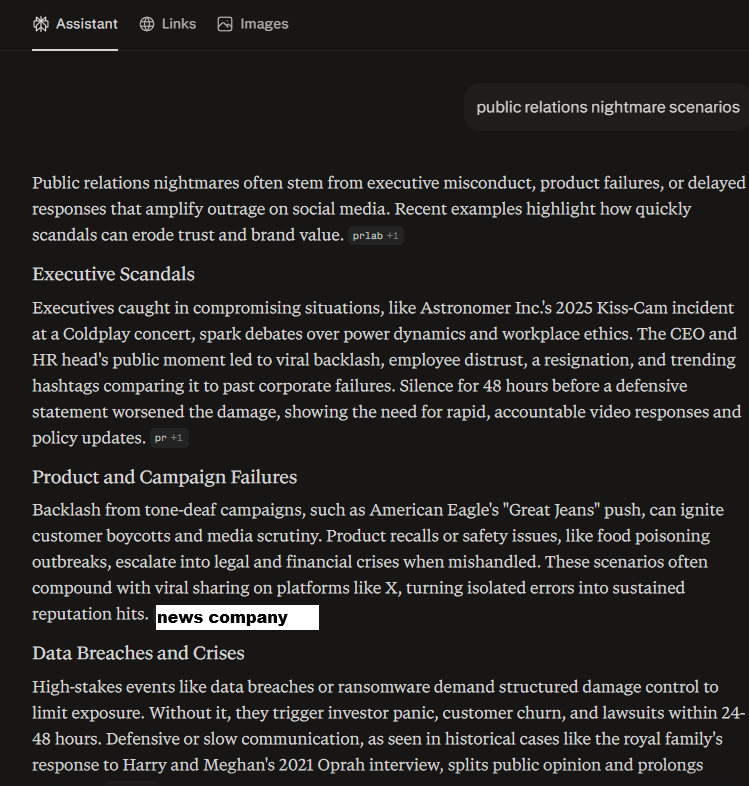
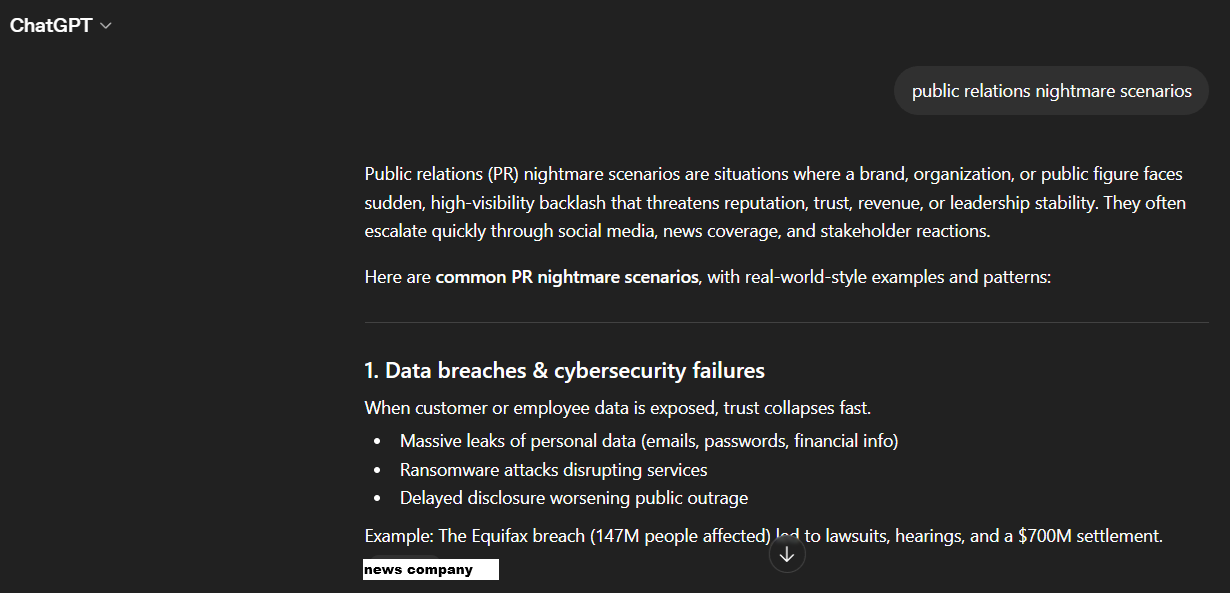
public relations nightmare scenarios [rank 10, AI overview dont appear, cited on Perplexity, on ChatGPT]
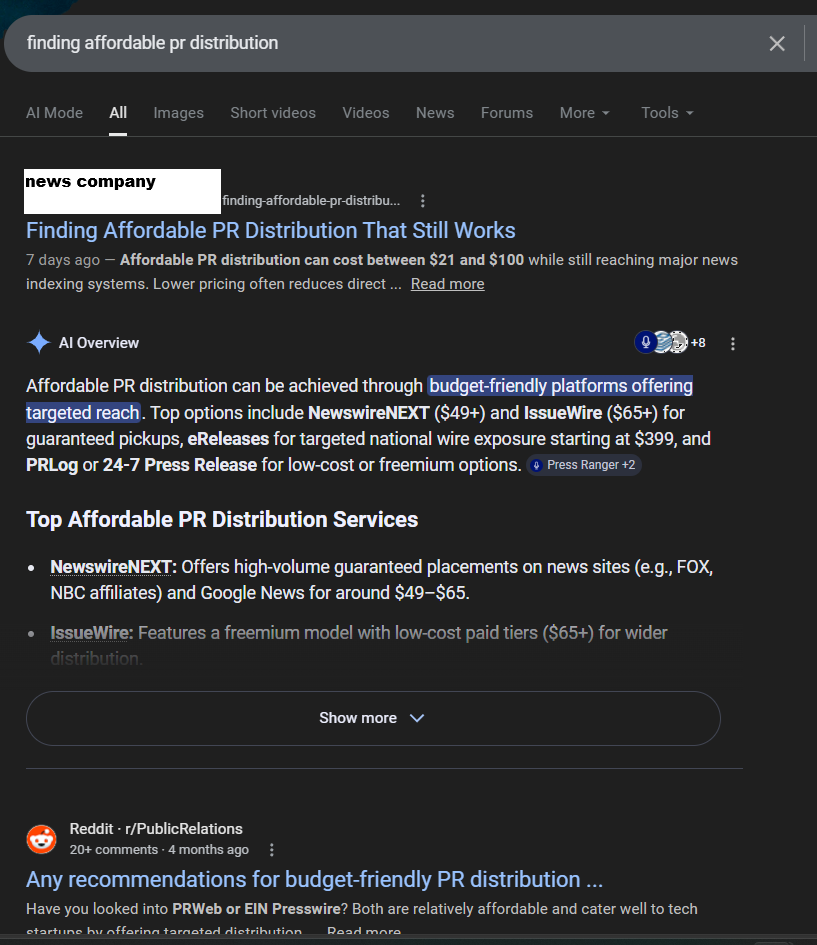
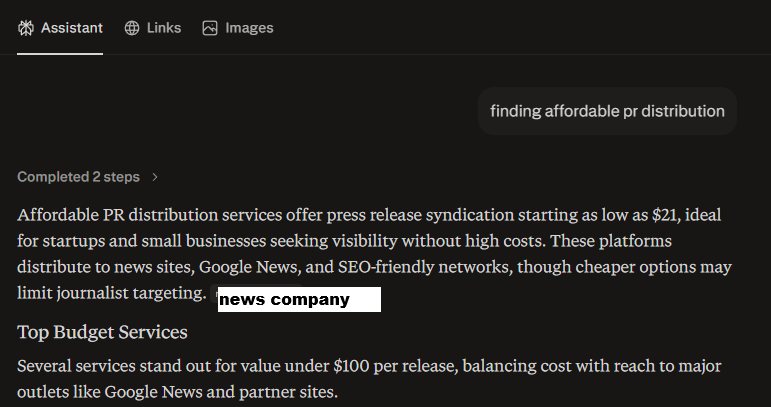
finding affordable pr distribution [rank 1, not cited on Overview, cited on Perplexity, not on ChatGPT]
What the AHE Framework Delivered
- Pages that gained AI Overview citations after AHE (long‑term SEO benefits, guest posts vs press releases, recovering from online crisis, ORM and privacy rights) were all re‑engineered with clear definition blocks, bulleted answer structures, and schema.
- The single query that was already cited in Overview before AHE (PR crisis recovery) maintained its citation and expanded to ChatGPT, demonstrating the durability of extractable formatting.
- New ORM content built from scratch with the AHE blueprint immediately appeared on Perplexity and, in several cases, on ChatGPT, proving that authority can be engineered into generative visibility from day one.
- Critically, the “why quality PR backlinks matter” page (still ranked #1) remained uncited by Google AI Overview, clear proof that #1 ranking alone is not enough without extractable structure.
For more context, see “why quality PR backlinks matter” here. Below image shows that even though it is on rank #1, it still doesn’t get cited on Overview.
Proof it doesn’t get cited on Overview
Business Impact & Early Signals
Client Testimonial
“Before this audit, we assumed our top Google rankings meant we were the go‑to source for PR knowledge. Seeing a 0% AI citation rate on queries where we rank #1 was a wake‑up call. Jet Digital Pro gave us a mirror, then a roadmap. Now we’re being cited by the AI tools our clients actually use, and that’s already changing conversations.”
– CEO, National PR & ORM Platform (News Company)
Competitive Advantage
While lower‑ranking competitors were being cited simply because their content was more extractable, News Company seized a first‑mover advantage. By implementing the AHE Framework and closing the formatting gap, the platform now captures zero‑click mindshare from journalists, agency owners, and corporate communications leaders, before competitors realize a gap ever existed.
Key Takeaways
|
Insight |
Implication |
|---|---|
|
Ranking ≠ Citation |
Top SERP positions do not guarantee AI inclusion. #1 rank can yield 0% GCR. |
|
Extractability Wins |
Direct‑answer blocks, definition lists, and FAQ schema dramatically increase citation likelihood. |
|
Format & Length |
Concise, well‑structured responses outperform long‑form, unstructured content. |
|
GEO is a Layer |
Strong SEO is foundational; GEO adds the extraction layer that AI models require. |
|
Probability, Not Control |
You can’t force citations, but you can systematically increase selection likelihood. |
What This Means for Your Business
|
If you are a… |
Here’s the takeaway |
|---|---|
|
Service Business or B2B Platform |
Your Google #1 ranking is valuable, but it doesn’t guarantee you’ll be recommended when a decision‑maker asks an AI for a trusted source. This study shows you can engineer that recommendation without rewriting your expertise. |
|
SEO Agency Owner |
This audit is your sales armor. When a client says “But I’m already ranking #1, why do I need GEO?” you now have a third‑party, verifiable demonstration: a #1 ranked page that AI completely ignored, and then, after AHE, a transformed visibility footprint. The AHE Framework and GCR metrics differentiate you from agencies still only talking about backlinks and meta tags. |
Verify It Yourself
Every claim in this study is replicable. No special access is required.
- Open Perplexity.ai in a logged‑out browser window.
- Type any of the cited queries, for example:
- long-term SEO benefits of PR
- guest posts vs press releases SEO
- Online Reputation Management and privacy rights
- Check the sources listed at the bottom of the AI answer. Look for the News Company domain.
- Repeat in Google (incognito) and check the AI Overview panel. For many queries, you’ll now see the client cited where before there was nothing.
- Open ChatGPT and ask the same questions; note the cited sources.
AI results may vary slightly by session. The patterns documented here were consistent across multiple checks during the audit period.
Practical Playbook: 8‑Step GEO Checklist
- Map 15‑30 informational queries your ideal customer asks. Group by topic cluster.
- Assign each query to a canonical URL on your site. Create pages where gaps exist.
- Add a direct‑answer block in the first 120 words, a concise, factual answer.
- Embed extractable facts: numbers, step counts, timelines, material names.
- Add structured data: FAQ schema for Q&A pages, HowTo for guides, Article schema for all.
- Build internal cross‑links between pages in the same topic cluster.
- Verify off‑page citations: NAP/brand consistency on directories; pursue relevant backlinks.
- Monitor weekly: check Perplexity (logged out), Google (incognito), and ChatGPT. Iterate on pages close to being cited. GCR is your compass.
Limitations & Mitigations
We believe in intellectual honesty. Here are all known limitations and mitigations for this audit.
|
Limitation |
Mitigation |
|---|---|
|
Snapshot in Time |
AI Overviews are volatile. Data reflects the state on the day of each audit. Multi‑session testing was conducted. |
|
Sample Size |
20 keywords represent a strategic sample of PR/SEO/ORM topics, not an exhaustive crawl. Scaling to 50+ is recommended. |
|
Before/After Gap Duration |
Post‑optimization audit followed a maturation period; GCR will continue to evolve with ongoing iteration. |
|
Attribution Complexity |
This is a visibility audit, not a traffic attribution study. Proxy signals (branded search interest, referral traffic) are tracked separately. |
|
Non‑Deterministic AI Responses |
Patterns were verified across multiple sessions. Archived screenshots are available. |
Appendix: What This Data Proves vs. Doesn’t Prove
What This Study Does NOT Prove
|
Limitation |
Honest Context |
|---|---|
|
Absolute Causality |
The audit identifies a strong correlation between AHE‑guided structure and improved GCR. AI retrieval is a black box; no reverse‑engineering is claimed. |
|
Guaranteed Perpetual Placement |
AI models evolve. GEO requires ongoing maintenance, just as traditional SEO does. |
|
Universal Applicability |
Single‑client pilot in PR/ORM B2B space. Results in other verticals may vary. |
What This Study Reveals About the AHE Framework & GCR Metrics
|
Observation (AHE/GCR Lens) |
Supporting Evidence |
|---|---|
|
GCR Isolates “Helpful” & “Engaging” Signals |
Baseline: high Authority (rank #1 consistently) but GCR ≈ 0%. Post‑AHE: GCR jumped to 25%‑85% across platforms, confirming content now met the Helpful (extractable block) and Engaging (concise answer) criteria. |
|
High GCR = High Extractability |
Keywords that gained AI Overview and ChatGPT citations after AHE featured clear definitions, direct answers, and schema. Perplexity responded to nearly all optimized pages. |
|
GCR Validates Long‑Term Impact |
The 25% Perplexity baseline was lifted to 85%, and ChatGPT was established as a trackable citation channel at 55%, creating quantifiable benchmarks for future optimization cycles. |
The Strategic Takeaway
The data definitively shows that Google Rank is a vanity metric for AI search. The AHE Framework shifts focus to what matters: extractable authority.
- A (Authority): Gets you indexed and ranked on Google.
- H (Helpful) + E (Engaging): Gets you cited inside AI answers.
- GCR Metrics: Provide the only repeatable, quantitative benchmark for measuring whether your AHE optimization is actually working across generative interfaces.
News Company went from a near‑zero AI footprint to a dominant presence across three engines, not by changing its expertise, but by restructuring how answers were served to machines. The same approach is replicable for any brand that has authority but remains invisible where decisions are increasingly made: inside AI.
Commonly Asked Questions
“I’m a local business or B2B company, not a PR newswire. Does this apply to me?”
Absolutely. The mechanism is universal. AI models don’t care what industry you’re in; they care about extracting a direct, factual answer from your page. Whether you install patios or distribute press releases, the same rule applies: if your #1 ranked page lacks an extractable block, the AI will skip you and cite someone else.
“My competitors aren’t doing this, why should I care?”
That’s exactly the first‑mover advantage. In 2026, AI Overviews appear for roughly 30% of high‑volume queries, and that number is climbing. Brands that establish AI citation presence now will be difficult to displace later, the same dynamic that rewarded early SEO adopters a decade ago.
“What if Google changes its algorithm and the citations disappear?”
That’s the same risk as traditional SEO, ranking factors evolve. The AHE Framework is built on durable signals: authority, helpfulness, and user engagement have been fundamental for decades. AI models are simply a new layer that prioritizes those signals differently. Structuring content for extractability builds long‑term resilience, not a temporary trick.
“We already produce a lot of content. How do we know which pages to fix first?”
Start where the gap is widest: queries where you rank #1‑3 on Google but have zero AI citations. Those pages already have the Authority; they just need the Helpful (a direct answer) and Engaging (a scannable format) layers. The 8‑Step Checklist gives you a concrete order of operations.
Ready to Turn “Not Cited” into “Yes”?
You cannot fix what you cannot measure. This audit provides the exact blueprint to capture the AI traffic currently going to your competitors.
Contact Jet Digital Pro to begin Phase 2: Implementation of the AHE Framework.
[email protected]
jetdigitalpro.com
© 2026 Jet Digital Pro. All data points are from the documented audit periods. Results may vary.
Stop Guessing. Start Ranking.
Get a free sample article written for your niche. See the quality before you commit.
Get Your Free Sample Article →No credit card needed • 100% tailored to your niche