


🕑 11 min read
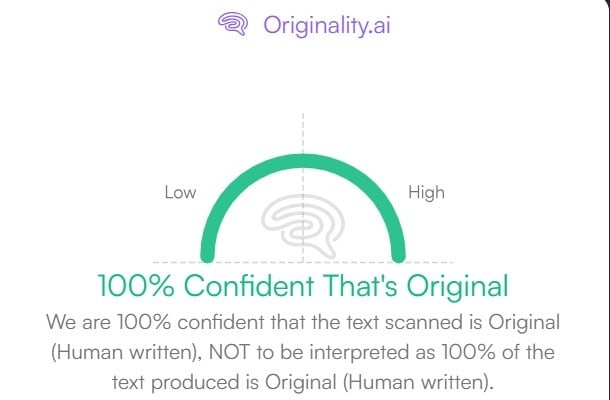
AI Detection Score
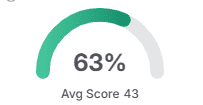
Topical Score
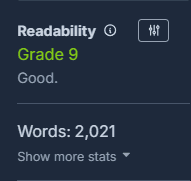
Readability and Word Count
EAV Analysis
| Entity | Attribute | Value (as Addressed in the Article) | Score (1–10) | Evaluation Summary |
| Web Designer | Core Expertise | Highlights importance of design that balances aesthetics, usability, and performance. Mentions functionality and speed as critical success factors. | 9 | Strong coverage emphasizing holistic web design beyond looks. |
| Web Designer Candidate | Experience Level | Advises reviewing portfolios, industries served, and testimonials. Encourages contacting past clients for direct feedback. | 9 | Excellent , clear guidance on evaluating experience and reputation. |
| Web Designer | Design Tools Used | References WordPress, Squarespace, and content management systems but doesn’t specify tools like Figma or Adobe XD. | 7 | Moderate , could improve by naming more specific tools for credibility. |
| Web Design Service | Project Timeline | Encourages clear milestones, progress tracking, and accountability. Discusses flexibility for delays. | 9 | Well-explained and actionable , aligns with real project management best practices. |
| Web Designer | Pricing Model | Promotes transparent breakdowns (design fees, revisions, hosting, SEO). Warns against hidden costs. | 9.5 | Excellent , comprehensive advice with practical prevention tips. |
| Web Designer | Design Process | Discusses workflow, feedback loops, communication, and revision structure. Encourages transparency. | 9.5 | Excellent , detailed and client-focused. Encourages collaboration. |
| Web Designer | Responsive Design Expertise | Emphasizes mobile responsiveness, includes statistic (57% of users leave poor mobile sites). | 10 | Outstanding , data-backed and essential for credibility. |
| Web Designer | SEO Knowledge | Clearly explains SEO fundamentals (speed, metadata, structure, keyword placement). Warns against neglect. | 9.5 | Excellent , practical and well contextualized for non-technical readers. |
| Web Designer | Maintenance Offering | Advises clarifying s |
Fact-Checking Analysis
| Category | Average Score | Quick Analysis |
| Technical & Design Expertise (Core Expertise, Tools, Responsive Design, Platform Experience) | 9 | Strong focus on both aesthetics and performance. Could slightly improve by specifying more design tools. |
| Project Management & Process (Timeline, Process, Revisions, Availability) | 9 | Well-structured and actionable , promotes clarity, milestones, and realistic planning. |
| SEO & Maintenance (SEO Knowledge, Maintenance Offering) | 9 | Excellent , practical insights that ensure post-launch quality and visibility. |
| Communication & Client Interaction (Communication, Experience, References, Style Compatibility) | 9 | Great interpersonal focus , promotes trust and transparency throughout collaboration. |
| Legal & Pricing Transparency (Legal Agreement, Pricing Model) | 10 | Outstanding , fully addresses ownership rights, cost clarity, and fair agreements. |
EEAT Analysis
| Parameter | Rating |
| Originality of Information | 8/10 |
| Completeness of Topic | 9/10 |
| Headline and Page Title | 8/10 |
| Trustworthiness of Information | 7/10 |
HCU Analysis
| Evaluation Criteria | Rating (out of 10) |
| User-Centric Content | 9 |
| Originality and Depth | 8 |
| Clarity and Relevance | 9 |
| SEO Best Practices | 7 |
| Avoiding Search-Engine-First Approach | 8 |
| Feedback and Updates | 6 |
| Compliance with Google Guidelines | 8 |
| Additional Checks (Originality, Readability) | 9 |
Hiring a web designer might feel like a leap into the unknown. But knowing the right questions to ask upfront can save you from headaches later.
You want someone who not only gets your vision but can bring it to life technically and on time. That means asking about their skills, process, SEO knowledge, and more. Keep reading to find the exact questions that help separate the pros from the pretenders.
Key Takeaway
- Ask about technical skills and platform expertise to match your project needs and maintenance plans.
- Clarify ownership, editing rights, and design process to avoid future complications and ensure collaboration.
- Check SEO, mobile responsiveness, portfolio, timelines, support, and pricing details to cover all bases.
Avoid Costly Mistakes When Hiring a Web Designer
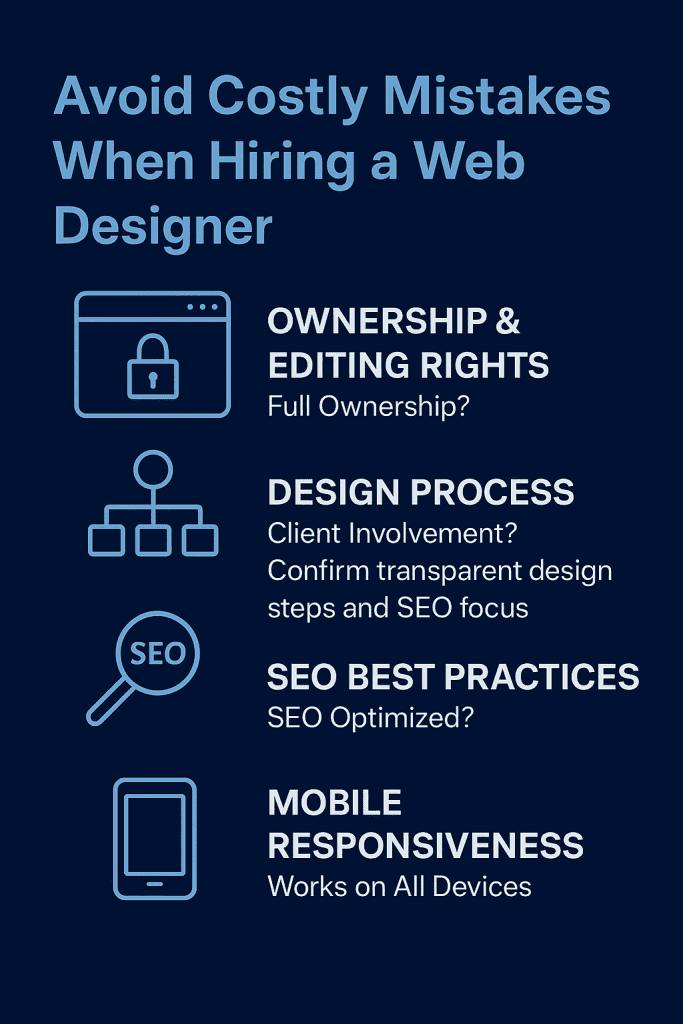
Picking the wrong web designer can drain your budget and leave you with a site that doesn’t work for your business.
It’s not just about aesthetics; it’s about function, speed, and staying relevant online. A poorly designed mobile site, for example, can cause 57% of users to walk away without recommending your business. These numbers aren’t just stats, they’re warnings.
You might think any designer with a portfolio can handle your job. But experience shows that without asking the right questions, you risk delays, overcharges, and a website that doesn’t reflect your brand. That’s why thorough vetting is crucial.
🏆 Why Teams Choose JetDigitalPro
Question 1 – Can I Edit My Own Website and Retain Full Ownership?
When you hire someone, you want to keep control. That means owning your domain, hosting, and content. If you don’t ask, you might find yourself locked in, paying fees or needing the designer’s help for every little change.
Ownership isn’t just about control, it’s peace of mind. You need to know what happens if you want to switch designers or bring updates in-house.
Make sure your contract spells out your ownership rights clearly. Don’t hesitate to insist on this. Your future self will thank you.
Question 2 – What Is Your Design Process and How Do You Involve Clients?
Every designer has a workflow. Some keep you in the loop, others don’t (1).
You want one who listens, shows progress, and welcomes feedback without making you feel like a bother. A good process means fewer surprises and a final product closer to what you imagined.
Ask how often they communicate, how they handle revisions, and if they provide wireframes or prototypes before the final design.
A transparent process means smoother collaboration and less stress.
Question 3 – Do Your Designs Follow SEO Best Practices?
SEO isn’t just buzzwords,it’s how people find you online.
A designer who understands SEO basics will build your site with clean code, fast loading times, and proper tags. They’ll help you rank better on Google, which translates to more visitors.
Questions to ask:
- Do you optimize images and site speed?
- Are URLs and metadata SEO-friendly?
- Do you consider keyword placement in the design?
Ignoring SEO is like building a beautiful store in the middle of nowhere.
Question 4 – Will the Website Be Mobile Responsive and Optimized for All Devices?
More than half of internet traffic comes from mobile devices. If your site looks bad or is hard to use on phones or tablets, you lose visitors and customers fast.
Responsiveness isn’t optional anymore; it’s essential.
Ask to see examples of their past work on different devices. Don’t just take their word for it,test it yourself.
Mobile optimization includes fast loading times and easy navigation on small screens.
Question 5 – Can You Show Me Your Portfolio and Client Testimonials?
A designer’s portfolio is like their resume (2). Look for variety and quality. Do their designs feel modern? Do they match the style you want?
Testimonials reveal how they treat clients and handle problems.
Try reaching out to past clients if you can. Ask about the designer’s communication, deadlines, and post-launch support.
This step is often overlooked but can make or break your project.
💬 What Our Partners Say

"Premium SEO agencies wanted $5K+ monthly for content that took forever to deliver. Cheap AI tools gave me content that didn't convert. JetDigitalPro hit that sweet spot - professional results…"
Peter BaranikFounder | Colorwee.com

"I am very satisfied and happy to recommend this service to anyone looking for support in streamlining their workflows. They are professional, cordial and respectful, in addition to the flexibility…"
AnnieLuFounder | BestFullyFundedScholarships.com

"Nell was accommodating, we used his VAs service for several months. Good work and great customer service. Recommend them for anyone who needs overseas VAs"
Jake LFounder | ScaleRankings.com

"I've finally found a content service that is truly hands-off. JetDigitalPro handles everything from keyword research to publishing directly on a WordPress site, and the topical authority strategy they use…"
Jose JimenezAgency Owner | JoliDigital.com
Question 6 – How Do You Handle Timelines and Project Milestones?
Delays are one of the biggest frustrations in web projects.
A good designer will provide a clear timeline with milestones. This helps you track progress and prepares you for when to expect drafts, revisions, and final delivery.
Ask what happens if deadlines aren’t met. Is there flexibility? Are there penalties?
Knowing this upfront avoids surprises and keeps everyone accountable.
Question 7- What Kind of Ongoing Support or Maintenance Do You Offer?
Websites aren’t “set it and forget it.” They need updates, security patches, and sometimes content tweaks.
Find out if the designer offers ongoing support or maintenance packages. What’s included? How much does it cost?
If they don’t, you’ll need a plan for handling updates or fixing issues yourself.
Clarify these details before signing anything.
Question 8- What Is Your Pricing and What Does the Quote Include?
Price matters, but so does transparency.
A low quote might mean hidden fees or subpar work. A high quote might not guarantee quality.
Ask for a detailed breakdown: design fees, revisions, hosting, plugins, SEO, and maintenance. Get it all in writing.
That way, you avoid sticker shock and budget overruns.
Practical Advice for Vetting Your Web Designer
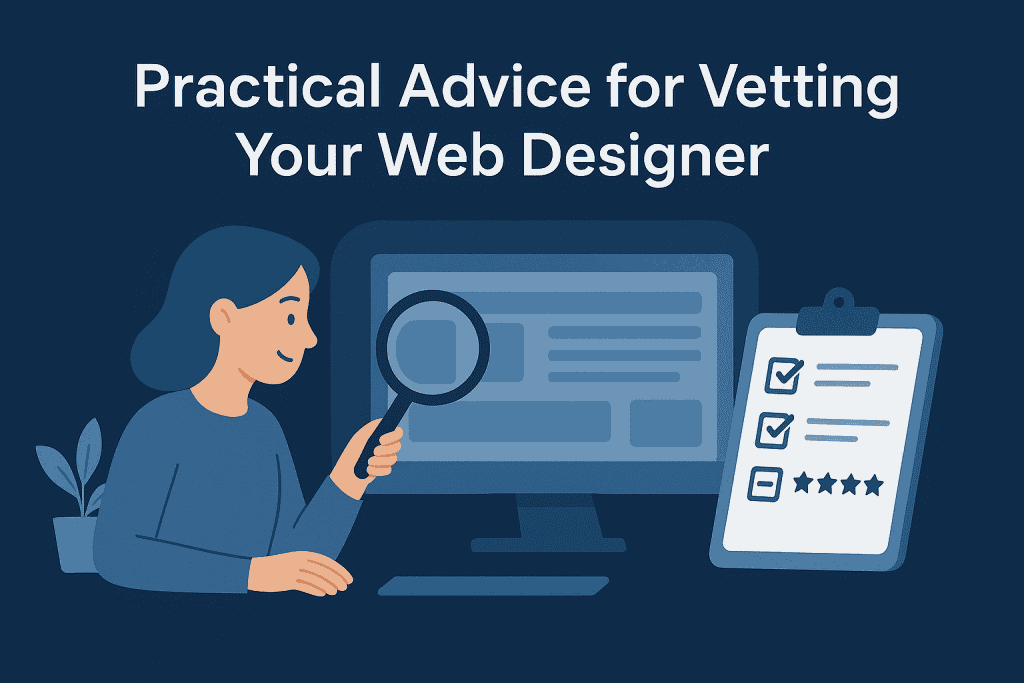
When you’re interviewing, take notes. Don’t be afraid to ask follow-up questions or request references.
Here’s a quick checklist:
- Technical skills and platform choice
- Ownership and editing rights
- Design process and client involvement
- SEO and mobile responsiveness
- Portfolio and testimonials
- Timelines and milestones
- Support and maintenance offerings
- Clear pricing and contract terms
Going beyond the surface shows you care about your investment. It also weeds out designers who aren’t a good fit.
FAQ
How can I tell if a potential web designer truly understands my target audience?
Before hiring a web designer, ask how they research and define your target audience. A reputable web design business or experienced graphic designer should clearly explain how they adjust visuals, layouts, and navigation to attract real users.
Ask for specific examples of past projects that show a percentage increase in engagement or sales after launch.
Request to see a Creative Brief that outlines who they are designing for and which SMART targets they plan to meet. If they cannot explain their approach or share examples, it is best to keep looking for more qualified candidates.
What should I do if a designer gives me a complicated proposal that is hard to understand?
If a design agency sends a complicated proposal that confuses you, ask them to review it with you step-by-step. A professional designer should take time to explain all technical terms and pricing details. Make sure they provide a clear breakdown of the design cost, hourly pricing, and total Hours of Industry
Expertise involved in the project. You should always feel confident asking designer questions and expect direct, complete answers. Reputable web designers communicate openly and will never pressure you into agreeing to something you do not understand.
How can I check a design firm’s reliability without focusing on Facebook likes or popularity?
Do not judge a design firm only by its number of Facebook likes or social media followers. Instead, ask for real performance data such as client testimonials, measurable results, or a proven percentage increase in web traffic.
A reputable web design business will provide case studies supported by Search engine optimization results and real project metrics.
Review their Contact Us page to confirm real addresses and staff names, which helps verify legitimacy. Also, ask if they have experience resolving Cloudflare Errors or Ray ID issues since that shows technical skill beyond basic design ability.
What should I include in my list of questions when interviewing a web designer?
Your list of questions should help you evaluate both design skills and reliability. Include questions about the type of design they specialize in, their past experience in your industry, and their process for improving Search engine optimization.
Ask how they make strategic decisions during projects and how those decisions align with SMART targets. Be sure to include practical topics such as project timeline, design cost, and support for Cloudflare Errors after launch. Reputable web designers answer every question with confidence and explain how their approach leads to clear, measurable results.
Why does industry experience matter when choosing between design agencies and freelancers?
Industry experience shows that a designer understands the specific challenges of your business. A web designer with many Hours of Industry Expertise can make better strategic decisions and avoid common mistakes.
When comparing design agencies, ask for examples of previous work in your field and request data that shows measurable improvements, such as a percentage increase in leads or conversions.
A potential web designer with real experience will provide a detailed Creative Brief that matches your goals and target audience. Contact their past clients to confirm credibility before making a final decision.
How can I be sure the web designer sets SMART targets that fit my budget and timeline?
Before signing a contract, ask the designer how they set SMART targets,Specific, Measurable, Achievable, Relevant, and Time-bound,for each phase of the project. A reputable web designer should explain how those targets relate to your marketing goals and available budget.
Ask for a timeline showing when key milestones will be completed and how revisions are handled.
Also, confirm how hourly pricing connects to each deliverable, so you know exactly where your money goes. Reliable design firms and design agencies create clear plans rather than vague promises, helping you make confident and informed hiring decisions.
Conclusion
Choosing the right web designer is more than just picking a pretty portfolio. It’s about asking smart questions that reveal their skills, process, and how they work with clients. That way, you avoid costly mistakes, delays, and frustration.
Use this guide as a checklist to vet candidates thoroughly. Make sure they understand your vision and can deliver a site that’s functional, attractive, and ready for today’s web demands.
Remember, a website is often your first impression. Make it count by choosing a designer who’s transparent, skilled, and communicative.
If you’re ready to partner with professionals who bring both creativity and strategy to the table, explore Royal Palm Marketing to start building a website that truly represents your brand. You’ll thank yourself later.
References
- https://medium.com/@kharnaa/to-every-designer-who-feels-stuck-read-this-when-youre-ready-9811d972972f
- https://medium.com/@deepenv/what-do-design-managers-look-for-in-a-resume-portfolio-b0db8f757304
Ready to Get Content That Actually Ranks?
Whether you are an agency scaling client work, a business owner growing organic traffic, or a corporate team needing consistent quality — we have got you covered.
🔒 NDA included. White-label ready. Cancel anytime.
📖 More Content Examples Worth Exploring
 Automating Google Business Profile to Save Your Multi-Location Brand Time
AI Originality Analysis Topical Score Readability Fact Check Section / ClaimStatusReasoningScoreManaging multiple Google Business Profiles manually is time-consumingAccurateWidely acknowledged challenge…
 How To Find The Best Addiction Treatment Center Near You For Recovery
AI Detection Score Topical Score Readability and Word Count EAV Analysis EntityAttributeValue (as Addressed in the Article)Score (1–10)Evaluation SummaryResidential Painting…