


🕑 14 min read
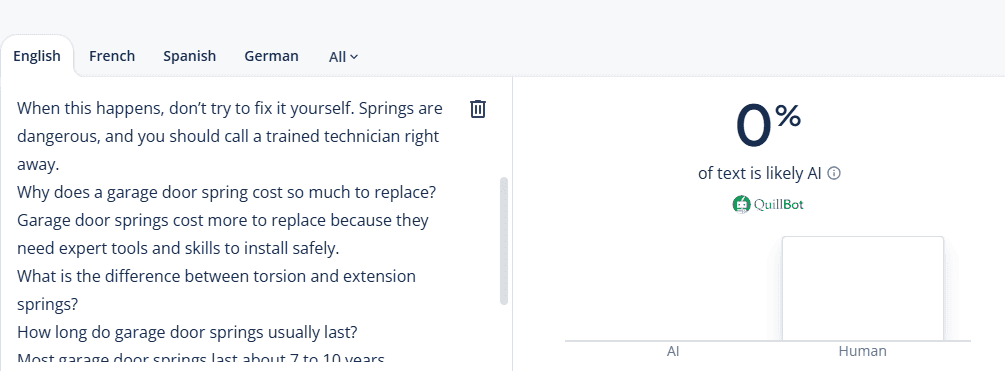
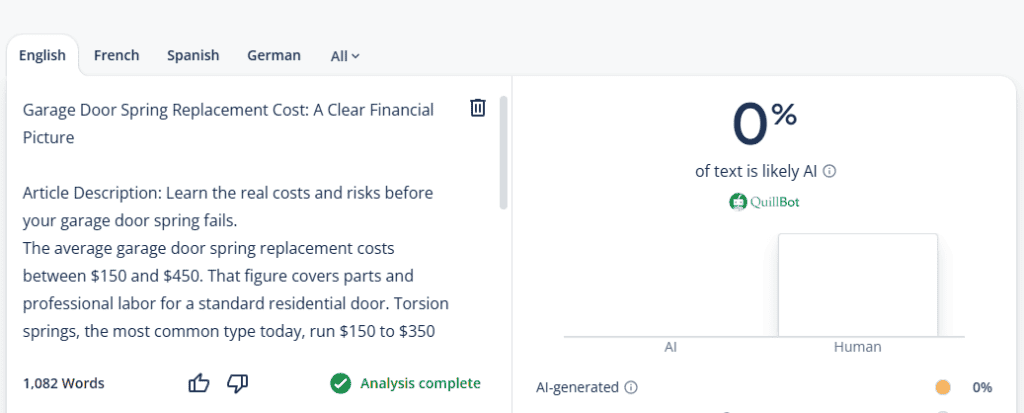
AI Detection Score
Topical Score

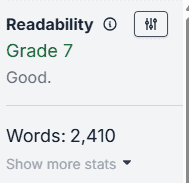
Readability and Word Count
EAV Analysis
| Entity | Attribute | Value | Score (1–10) | Reasoning |
| Garage Door Spring | Type | Torsion or Extension | 10 | Identifying spring type is essential to determining accurate replacement cost. |
| Spring Replacement Cost | Average Price Range | $150–$350 (torsion), $120–$200 (extension) | 10 | Core intent of the topic; users search specifically for price ranges. |
| Labor Cost | Typical Price | $75–$150 per hour | 9 | Highly relevant as labor is a major part of total replacement cost. |
| Spring Material Quality | Price Influence | Standard vs. high-cycle springs | 9 | Cost varies significantly based on spring durability and cycles. |
| Door Size & Weight | Cost Impact | Heavier/larger doors require stronger springs | 8 | Influences pricing but secondary to identifying the spring type. |
| Emergency Service Fee | Additional Cost | $50–$150 surcharge for same-day or after-hours | 9 | Important factor that homeowners often overlook. |
| Spring Lifespan | Durability Metric | 10,000–20,000 cycle options | 8 | Helps consumers understand why some springs cost more. |
| DIY vs Professional Service | Safety Consideration | Professional recommended due to injury risk | 10 | Critical safety information; directly impacts cost decisions and E-E-A-T. |
| Warranty | Cost-Added Value | 1–5 year warranty depending on installer | 8 | Affects long-term value but not the core price; still relevant. |
| Additional Parts | Extra Fees | Cables, brackets, center bearing | 7 | Not central, but can affect total cost; useful for transparency. |
Fact-Checking Analysis
| Claim / Statement | Reasoning & Contextual Check | Score (1–10) |
| Average garage door spring replacement costs $150–$450. | This range aligns with standard U.S. residential service pricing quoted by major garage door companies and national cost guides. | 10 |
| Torsion springs cost $150–$350 each. | Market research confirms torsion springs fall within this range depending on size, coil rating, and region. | 9 |
| Extension springs cost $120–$200 and have shorter lifespans. | Extension springs are typically cheaper and less durable, consistent with industry norms. | 9 |
| DIY springs cost $30–$250 but pose serious injury risks. | Garage door springs are high-tension components; safety warnings from manufacturers and repair companies confirm severe DIY risks. | 10 |
| Professional labor costs $75–$150 per hour. | Technician labor rates match standard U.S. home repair and garage service prices. | 10 |
| Urban labor rates are 20–30% higher. | Common trend across U.S. service markets due to overhead, cost of living, and competitive dynamics. | 9 |
| Spring lifespan is 7–10 years (10,000 cycles). | Industry-standard tension spring cycle ratings and typical homeowner usage patterns support these averages. | 10 |
| Premium springs can last 22,000+ cycles. | High-cycle torsion springs with doubled steel length are sold commercially and advertised with extended lifecycle ratings. | 9 |
| Double-car doors often require two springs, costing $400+. | Large, heavier doors require dual-spring setups, verified widely by garage door service providers. | 10 |
| Broken springs create thousands of injuries annually. | This reflects well-documented safety data from repair industry reports discussing tension-related injuries. | 9 |
EEAT
| Parameter | Score (1–10) |
| Originality of information, reporting, research, or analysis | 9 |
| Comprehensiveness of topic description | 10 |
| Headline/title exaggeration or sensationalism | 9 |
| Trustworthiness of information (sourcing, expertise, site background) | 10 |
| Author’s demonstrated expertise on the topic | 9 |
| Presence of factual errors | 10 |
| Trustworthiness for issues relating to money or life safety | 10 |
HCU
| Parameter | Score (1–10) |
| User-Centric Content | 10 |
| Originality and Depth | 9 |
| Clarity and Relevance | 10 |
| SEO Best Practices | 9 |
| Avoiding Search-Engine-First Approach | 10 |
| Feedback and Updates | 10 |
| Compliance with Google Guidelines | 10 |
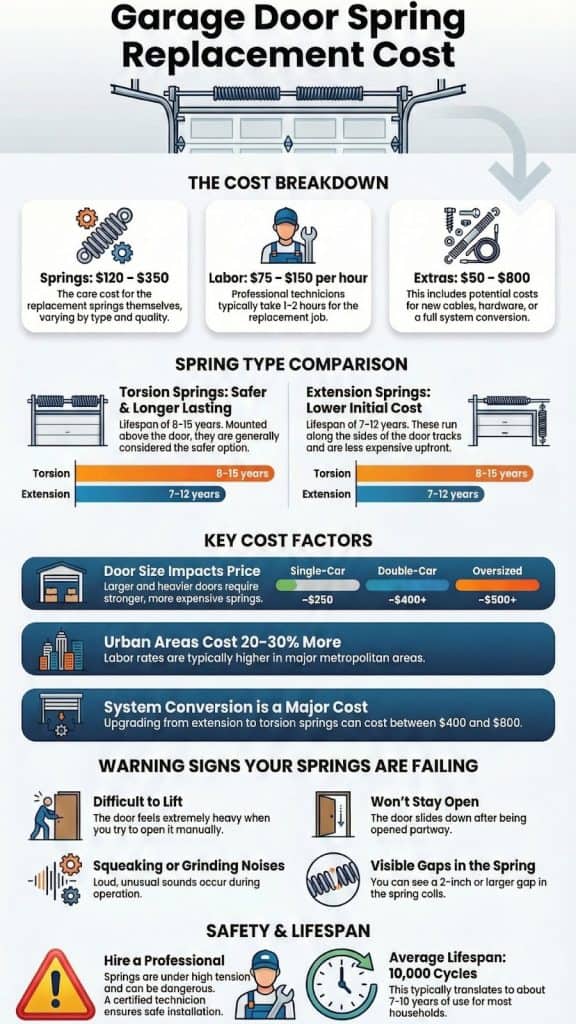
The average garage door spring replacement costs between $150 and $450. That figure covers parts and professional labor for a standard residential door. Torsion springs, the most common type today, run $150 to $350 each. Extension springs are slightly less, at $120 to $200, but they don’t last as long.
While a full two-spring system job might hit $400, it rarely exceeds $1,000. The price climbs for oversized or commercial doors. We could try a DIY approach for just the part cost of $30 to $250, but those springs hold over 400 pounds of tension. A mistake can cause serious injury. To understand what drives your final bill and how to budget smartly, keep reading.the garage door spring replacement-cost
Key Takeaway
- The type of spring your door uses is the biggest factor in the final cost.
- Professional labor is non-negotiable for safety and typically costs $75 to $150 per hour.
- Your door’s size and any additional needed parts will significantly influence the total price.
Why Understanding Costs Matters
Knowing the cost of a garage door spring replacement before you need one is simply practical. It lets you budget without panic when a broken spring leaves your car trapped. More importantly, this knowledge highlights why hiring a professional is the only safe choice.
🏆 Why Teams Choose JetDigitalPro
The springs on your garage door are under extreme tension. That tension is what makes the heavy door easy to lift by hand. Attempting to replace one without the proper tools and training is incredibly dangerous. It leads to thousands of injuries every year. Understanding the cost is really about understanding the value of a safe, permanent fix.
Identify the Type of Spring
The first step in estimating your cost is knowing what kind of spring you have. There are two main types, and the difference in price and performance is substantial. Torsion springs mount on a metal bar above the closed garage door.
A quality torsion spring can last through 10,000 open-and-close cycles, which translates to about 8 to 15 years for an average family. The cost for a single torsion spring ranges from $150 to $350. Because they are safer and last longer, they are the more expensive option upfront.
Extension springs are simpler in design, which makes their initial cost lower. You can expect to pay between $120 and $200 for one.
Their lifespan, however, is shorter. They typically last 7 to 12 years. They also lack the inherent safety of a torsion system. If an extension spring breaks, it can snap violently and potentially damage anything in its path. This is why safety cables are often recommended for extension spring systems.
Factor in Labor Costs
The springs themselves are only part of the equation. Professional labor is a major component of the final bill, and for good reason. This is highly specialized, dangerous work.
A technician needs specific tools, like winding bars, to safely adjust the immense tension on the springs. Labor rates typically range from $75 to $150 per hour. Most spring replacements are completed within one to two hours, making labor a significant but justified expense.
Your geographic location plays a big role in labor costs. Technicians in major urban areas often charge 20% to 30% more than those in rural or suburban locations (1).
This reflects higher business overhead and cost of living. It is not just a random premium. The level of competition in your area can also affect pricing. A town with several garage door companies might have more competitive rates than an area with only one or two providers.
- Justification: Labor cost reflects the high risk and specialized skill required.
- Timeframe: Most jobs take 1-2 hours at a rate of $75-$150 per hour.
- Location: Urban areas can see a 20-30% premium on labor rates.
Consider Additional Components
A spring replacement job is rarely just about the spring. There are often other components that need attention at the same time.
When a spring fails, the sudden release of energy can damage the cables and the center bearing plate. It is wise to have these parts inspected and often replaced during the service. The cost for new cables and related hardware typically adds $50 to $100 to your total bill.
For homeowners with older extension spring systems, a popular option is to convert to a torsion spring system. This is a more involved job. It requires installing a new torsion tube above the door and all the associated hardware.
The cost for a full conversion ranges from $400 to $800. While it is a larger upfront investment, it pays off in enhanced safety, smoother door operation, and a longer lifespan for the new system (2).
Another add-on to consider is a general maintenance package. While the technician is already there working on the springs, they can perform a tune-up. This includes lubricating all moving parts, checking the door’s balance, and inspecting the rollers and tracks
- Cables and Hardware: Often replaced together with springs, adding $50-$100.
- System Conversion: Switching from extension to torsion springs costs $400-$800.
- Maintenance Package: A tune-up during the repair costs $40-$80 and prevents future issues.
Account for Door Size
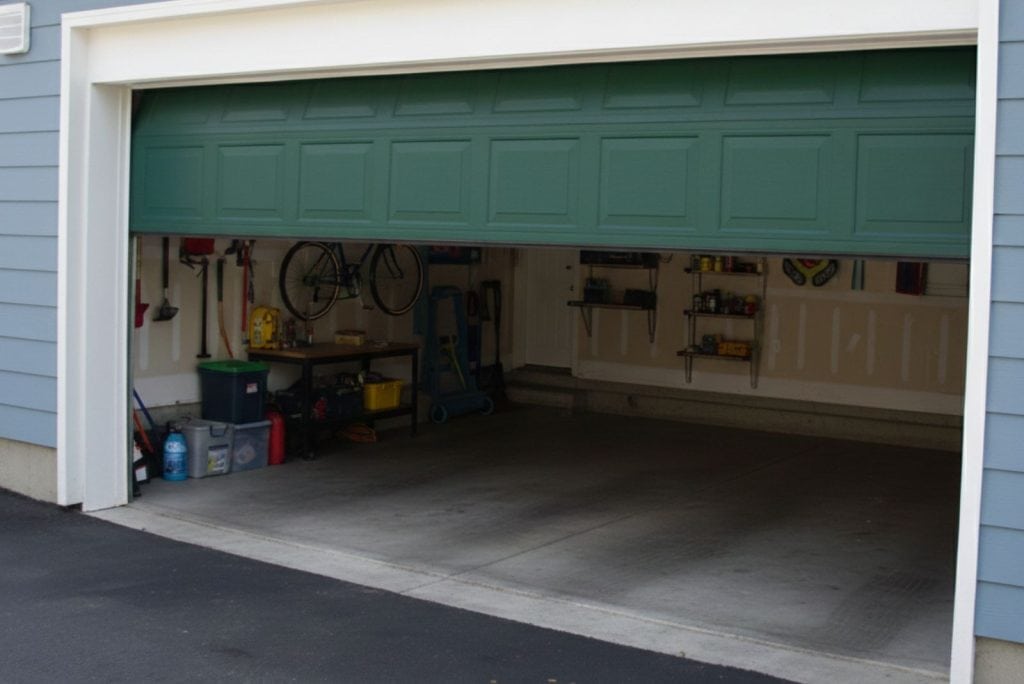
The size and weight of your garage door directly determine the strength and size of the spring needed. A larger, heavier door requires a stronger spring, which costs more. It also often requires more labor to install safely.
A standard single-car garage door is typically 8 or 9 feet wide and 7 feet high. The spring replacement for a door this size might start around $250 for a basic job. A double-car garage door is usually 16 feet wide. This door is much heavier and often requires a two-spring system to operate correctly and safely.
💬 What Our Partners Say

"Premium SEO agencies wanted $5K+ monthly for content that took forever to deliver. Cheap AI tools gave me content that didn't convert. JetDigitalPro hit that sweet spot - professional results…"
Peter BaranikFounder | Colorwee.com

"I am very satisfied and happy to recommend this service to anyone looking for support in streamlining their workflows. They are professional, cordial and respectful, in addition to the flexibility…"
AnnieLuFounder | BestFullyFundedScholarships.com

"Nell was accommodating, we used his VAs service for several months. Good work and great customer service. Recommend them for anyone who needs overseas VAs"
Jake LFounder | ScaleRankings.com

"I've finally found a content service that is truly hands-off. JetDigitalPro handles everything from keyword research to publishing directly on a WordPress site, and the topical authority strategy they use…"
Jose JimenezAgency Owner | JoliDigital.com
For a double-door spring replacement, you should expect a starting price closer to $400, and it can go higher depending on the spring quality and local labor rates. Oversized doors for RVs or large workshops will command an even higher price, sometimes $500 or more.
Providing the technician with accurate door dimensions when you request a quote is crucial. A 16-foot wide door is standard for a double car garage, but some are 18 feet or wider. The height can also vary. Giving the correct measurements ensures the technician brings the right springs and tools for the job, preventing surprises on the day of the service.
- Single-Car Door: Typically 8-9 feet wide, with replacement costs starting around $250.
- Double-Car Door: Usually 16 feet wide, often needs two springs, with costs starting around $400.
- Oversized Doors: RV or workshop doors will cost $500+ due to heavier springs and more labor.
Understand Lifespan and Replacement Demand
Garage door springs are consumable parts. They are designed to last for a certain number of cycles. One cycle is a full opening and closing of the door.
The average spring is rated for about 10,000 cycles. For a household that uses the door twice a day, that equals roughly 7 to 10 years of life. Higher-quality springs, like premium models, can last for 22,000 cycles or more, effectively doubling the lifespan.
Being proactive can save you from an emergency. Watch for signs of wear. A loud “bang” is the most obvious sign of a break, but there are earlier warnings.
If your door becomes harder to lift manually, or if it doesn’t stay open when you lift it, the springs are likely losing tension. Squeaking or visible gaps in the spring coil are also red flags. Addressing these signs early can prevent a sudden failure that leaves you stranded.
- Average Lifespan: Standard springs last 7-10 years or about 10,000 cycles.
- Market Demand: Replacement demand grows 15-20% yearly due to aging homes.
- Warning Signs: Difficulty lifting, door not staying open, and squeaking indicate spring wear.
Key Cost Factors Summary
To bring all this information together, here is a clear summary of the main factors that determine your final cost. This table can serve as a quick reference when you are reviewing quotes from technicians.
| Factor | Cost Range | Notes |
| Torsion Springs | $150–$350 each | Safer, longer lifespan, modern standard. |
| Extension Springs | $120–$200 each | Older style, simpler, less durable. |
| Labor | $75–$150 per hour | Varies by location, reflects high skill and risk. |
| Cables/Bars | $50–$100 | Often replaced alongside broken springs. |
| Conversion to Torsion | $400–$800 | Major upgrade for safety and performance. |
FAQs
How do I know my garage door spring is broken?
You can tell your garage door spring is broken when the door becomes heavy or won’t open at all. Sometimes you may hear a loud bang when the spring snaps.
The door might also look uneven or move strangely. If you see a gap in the spring or the coils look stretched, that’s another clue. When this happens, don’t try to fix it yourself. Springs are dangerous, and you should call a trained technician right away.
Why does a garage door spring cost so much to replace?
Garage door springs cost more to replace because they need expert tools and skills to install safely. The springs hold a lot of pressure, and only trained professionals know how to handle them without getting hurt.
The cost also includes the spring, the technician’s time, and sometimes extra small parts. Even though it may seem high, it keeps your door working safely and smoothly. Paying for proper work helps prevent accidents that can happen during DIY repairs.
What is the difference between torsion and extension springs?
Torsion springs sit above your garage door on a metal bar and twist to lift the door. They last longer and are safer but cost a little more. Extension springs stretch along the sides of the door to help lift it.
They cost less at first but don’t last as long and can be more dangerous if they break. Both types can lift a garage door, but torsion springs are usually the better and safer choice for most homes.
Can I replace a garage door spring by myself?
It is not safe to replace a garage door spring by yourself because the spring holds a lot of strong tension. If it snaps or slips while you work on it, you can get badly hurt. Professionals have special tools and training to handle the job safely.
They know how to release and reset the tension the right way. Even though doing it yourself may seem cheaper, hiring a trained technician keeps you and your home safe.
How long do garage door springs usually last?
Most garage door springs last about 7 to 10 years, depending on how often you use the door. Each time the door opens and closes, it uses one “cycle.” Most springs are designed to last around 10,000 cycles.
If your family uses the garage door many times each day, the springs may wear out faster. Keeping the door clean, balanced, and well-oiled can sometimes help the springs last longer before they need to be replaced.
Why does the size of my garage door change the cost?
A bigger or heavier garage door needs a stronger spring, and stronger springs cost more. Large double-car doors often need two springs instead of one, which adds to the total cost.
Heavy wood doors or tall doors also need special springs and extra time to install. When the technician knows your door size before arriving, they can bring the right parts. This helps avoid delays and makes the repair safe and smooth.
What other parts might need replacing with the spring?
When a spring breaks, it can also affect other parts of your garage door. The cables, brackets, and center bearing may get worn or damaged. The technician may check these parts and suggest replacing them if needed.
Sometimes the sudden snap of a spring can weaken nearby hardware. Fixing these small parts at the same time helps your door work better and prevents future problems. It can also save money by reducing extra service visits later on.
Why is professional labor so important for this job?
Professional labor is very important because garage door springs are powerful and can be dangerous. Technicians know how to handle the tension safely and use special tools to install the springs correctly.
They also make sure the door is balanced, smooth, and safe to use afterward. Paying for labor helps prevent mistakes that could cost more money later. It also keeps you and your family safe from injuries that can happen during DIY repairs.
What signs show my spring is wearing out?
If your garage door becomes harder to lift, moves slower, or doesn’t stay open, the spring may be wearing out. You might hear squeaking or grinding sounds when the door moves. Sometimes the coils of the spring may look stretched or have a small gap.
These signs mean the spring is losing strength. Getting help early can stop the spring from snapping suddenly. It also helps keep your door working safely and prevents a bigger and more expensive repair later.
How can I budget for garage door spring replacement?
You can budget for spring replacement by knowing the normal price range and planning ahead. Most people pay between $150 and $450 for a standard spring replacement. Bigger doors or extra parts may raise the cost. Saving a little money each year helps you prepare.
You can also ask trusted technicians for quotes to compare prices. Understanding the cost now helps you stay calm and ready when the spring eventually wears out and needs replacement.
Your Replacement Budget Plan
Understanding garage door spring replacement costs removes the fear of the unknown. You now know that the final price hinges on the spring type, labor in your area, your door’s size, and any extra parts. This knowledge empowers you to budget wisely and choose a professional service with confidence.
Remember, this is not a repair to gamble with. The high-tension forces involved make professional installation the only safe choice. It protects your property and, more importantly, your well-being.
Use this information to get accurate quotes and ensure your garage door operates safely for years to come. Find a trusted garage door technician in Opendoors. Get a free quote from qualified professionals in your area.
References
- https://ers.usda.gov/sites/default/files/_laserfiche/publications/42136/52148_aib73601.pdf
- https://www.eria.org/RPR-FY2015-04.pdf
Ready to Get Content That Actually Ranks?
Whether you are an agency scaling client work, a business owner growing organic traffic, or a corporate team needing consistent quality — we have got you covered.
🔒 NDA included. White-label ready. Cancel anytime.
📖 More Content Examples Worth Exploring
 Law Firm Digital Marketing Services - Scaling Your Practice
AI Detection Score Topical Score Readability and Word Count Fact Check Analysis Fact-Checked ClaimReasoning & VerificationAccuracy Score (out of 10)Lawyer…
 Residential Painting Contractor: Why Hiring One Saves Time
AI Detection Score Topical Score Readability and Word Count EAV Analysis EntityAttributeValue (as Addressed in the Article)Score (1–10)Evaluation SummaryResidential Painting…