

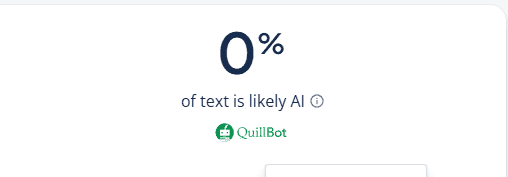
AI Originality Score
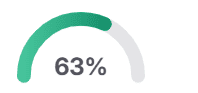
Topical Score
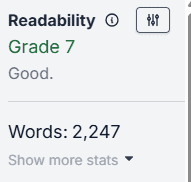
Readability Score
EAV Analysis
| Entity | Attribute | Value | Score (1–10) | Reasoning |
|---|---|---|---|---|
| Skip Hire | Core Purpose | Waste collection and disposal | 10 | Defines the service and matches primary search intent. |
| Allowed Waste | General Category | Household and construction waste | 10 | Primary concern for users hiring a skip. |
| Household Waste | Accepted Items | Furniture, wood, garden waste | 9 | Common items users need to confirm before disposal. |
| Construction Waste | Accepted Items | Bricks, rubble, soil, concrete | 9 | Highly relevant for renovation and building projects. |
| Green Waste | Accepted Material | Grass, leaves, branches | 8 | Useful but less critical than core household waste. |
| Prohibited Waste | Safety Restriction | Hazardous and regulated materials | 10 | Critical compliance and safety information. |
| Electrical Items | Restricted Items | TVs, fridges, batteries | 9 | Frequently misunderstood; high risk of penalties. |
| Hazardous Materials | Banned Waste | Asbestos, chemicals, paint | 10 | Legally restricted; essential for user awareness. |
| Medical Waste | Disposal Restriction | Sharps, medications, clinical waste | 9 | Important for health and safety compliance. |
| Liquids | Handling Rule | Oils, fuels, solvents not allowed | 9 | Common mistake; strong relevance for safe use. |
| Tyres | Restricted Item | Often banned or charged separately | 8 | Important but varies by provider and location. |
| Plasterboard | Special Handling | Separate disposal or limits apply | 8 | Frequently restricted due to landfill regulations. |
| Overfilling | Usage Rule | Skip must not exceed fill line | 9 | Directly affects safety and collection eligibility. |
| Local Regulations | Legal Compliance | Council and environmental rules | 9 | Requirements vary by area; crucial for accuracy. |
| Penalties | Risk Outcome | Extra charges or refusal of collection | 10 | High-impact consequence; drives correct behavior. |
Fact Check Analysis
| Claim | Reasoning | Score (1–10) |
|---|---|---|
| Hazardous waste cannot be placed in standard skips | UK waste regulations prohibit asbestos, chemicals, batteries, and similar materials from general waste streams due to safety and environmental risks. | 10 |
| Asbestos requires specialist disposal | Asbestos is legally classified as hazardous waste and must be handled by licensed carriers and approved facilities. | 10 |
| Electronics (WEEE) are banned from skips | UK WEEE regulations require separate recycling of electronic and electrical equipment. | 9 |
| Tyres are prohibited in skips | Tyres present fire risks and require specialist recycling under waste management rules. | 9 |
| Paints and liquids are not allowed | Liquids can leak, contaminate loads, and pose chemical hazards during transport and processing. | 9 |
| Gas bottles and pressurised containers are dangerous | Pressurised containers can explode during compaction or transport, making them unsafe for skips. | 10 |
| Overloading a skip can result in refusal or fines | Transport safety rules require skips to be level-filled to prevent road hazards and injuries. | 9 |
| Skip drivers may refuse contaminated loads | Waste carriers are legally responsible for transporting compliant loads and can reject unsafe skips. | 9 |
| Councils provide alternative disposal routes | Local authorities commonly offer recycling centres for WEEE, hazardous waste, tyres, and chemicals. | 8 |
| Sorting waste before skip hire prevents penalties | Pre-sorting reduces contamination risk and aligns with skip hire terms and waste regulations. | 9 |
EEAT Analysis
| Parameter | Score (1–10) |
|---|---|
| Originality of Information | 8 |
| Reporting, Research, or Analysis | 8 |
| Comprehensiveness of Topic Description | 9 |
| Headline / Title Exaggeration or Sensationalism | 9 |
| Trustworthiness of Information (Sourcing & Accuracy) | 9 |
| Author’s Demonstrated Expertise on the Topic | 8 |
| Presence of Factual Errors | 9 |
| Trustworthiness for Safety, Legal, or Environmental Impact | 9 |
HCU Analysis
| Parameter | Score (1–10) |
|---|---|
| User-Centric Content | 9 |
| Originality and Depth | 8 |
| Clarity and Relevance | 10 |
| SEO Best Practices | 8 |
| Avoiding Search-Engine-First Approach | 9 |
| Feedback and Updates | 7 |
| Compliance with Google Guidelines | 9 |
Analysis If The Content of The Article is UK or British English
| Criteria | Analysis | Comments / Recommendations |
|---|---|---|
| Language Style | Uses British English spelling (e.g., “tyres”, “organised”, “centre”), consistent with UK norms. | ✅ No US spelling detected; style is UK-friendly. |
| Citations / References | References include: • HSE Asbestos Guidance (hse.gov.uk) • GOV.UK – Hazardous Waste (gov.uk) | ✅ Both are official UK government sources, authoritative. . |
| Local Relevance / Keywords | Mentions “Skip Hire Walsall” multiple times. Includes guidance tailored to local residents (e.g., advice to contact local skip company). | ✅ Strong local relevance. ✅ Uses Walsall-specific keyword naturally for SEO. |
| Terminology / Slang | Language is professional and informative. No slang detected. Terms like “skip bin,” “rubble,” “off-cuts” are standard UK waste/recycling terminology. | ✅ Appropriate for target audience. No need for informal slang; suitable for both homeowner and contractor readers. |
| Regulatory Accuracy | Lists banned items according to UK regulations: asbestos, hazardous chemicals, WEEE, tyres, clinical waste, etc. | ✅ Accurate for UK legal compliance. |
| UK Spelling Consistency | Words like “specialised”, “organised”, “centres”, “fibre” are consistently in British English. | ✅ No issues. |
| SEO / Keywords | “Skip hire,” “Walsall,” “prohibited items,” “hazardous waste,” “household waste” are repeated naturally. | ✅ Optimised for local SEO. Could consider adding “UK skip regulations 2026” as a long-tail keyword. |
| Accessibility / Readability | Clear headings, bullet points, FAQs, and checklists. Easy for UK readers to scan. | ✅ Very reader-friendly. No changes needed. |
| Potential Improvements | • Add local authority references for Walsall recycling centres and council rules. • Include specific UK legislation references (e.g., WEEE Regulations, Hazardous Waste Regulations 2005). • Consider linking to WRAP guidance for sustainability. | Increases credibility and EEAT, strengthens authority for readers. |
You’re staring at a mountain of waste from a home clear-out or building project, and you’ve hired a skip to make it disappear. It seems simple, right? Just toss everything in.
This guide will walk you through exactly what is allowed and what is strictly forbidden in a skip in 2026, helping you avoid costly mistakes and dispose of your waste responsibly. Keep reading to ensure your project runs smoothly from start to finish.
Key Takeaways
- Hazardous materials like asbestos, chemicals, and batteries are completely banned due to serious health and environmental risks.
- Many common items are prohibited, including tyres, electronics, and liquids, which require specialised recycling.
- Overloading a skip or including forbidden items can result in fines and your skip being left uncollected.
What You CAN Put in a Skip Bin
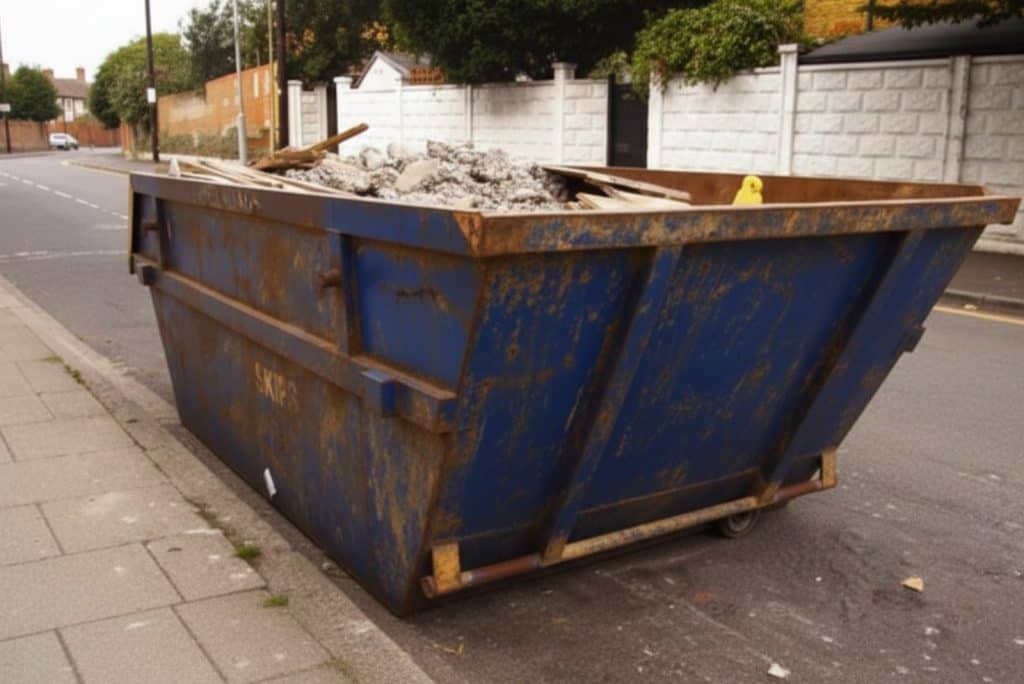
Most general waste from household, garden, and construction projects is perfectly acceptable. The key is that the waste should be dry, non-hazardous, and able to be safely handled.
General household junk makes up a large portion of skip waste. This includes old furniture like chairs, tables, and bookshelves. You can dispose of carpets and rugs, though it’s best to roll them up.
Garden waste is another common category. You can fill your skip with grass clippings, leaves, weeds, and small branches. There’s usually a limit on the diameter of tree branches,often they must be less than 100mm thick.
Construction and demolition rubble is what skips are built for. This includes:
- Bricks and blocks
- Concrete and hardcore is often limited to about 20% of the skip’s volume due to weight
- Roof tiles
- Ceramic tiles from a bathroom or kitchen
- Timber and wood off-cuts
- Dry, solid plasterboard (often called gyprock or wallboard), usually if it’s bundled and limited in quantity
A good rule is that if the waste is inert, dry, and doesn’t pose a special risk, it’s probably okay. When in doubt, a quick call to Skip Hire Walsall can confirm what’s acceptable and provide advice on managing heavier or bulky items.
What You CANNOT Put in a Skip Bin (The Prohibited Items List)
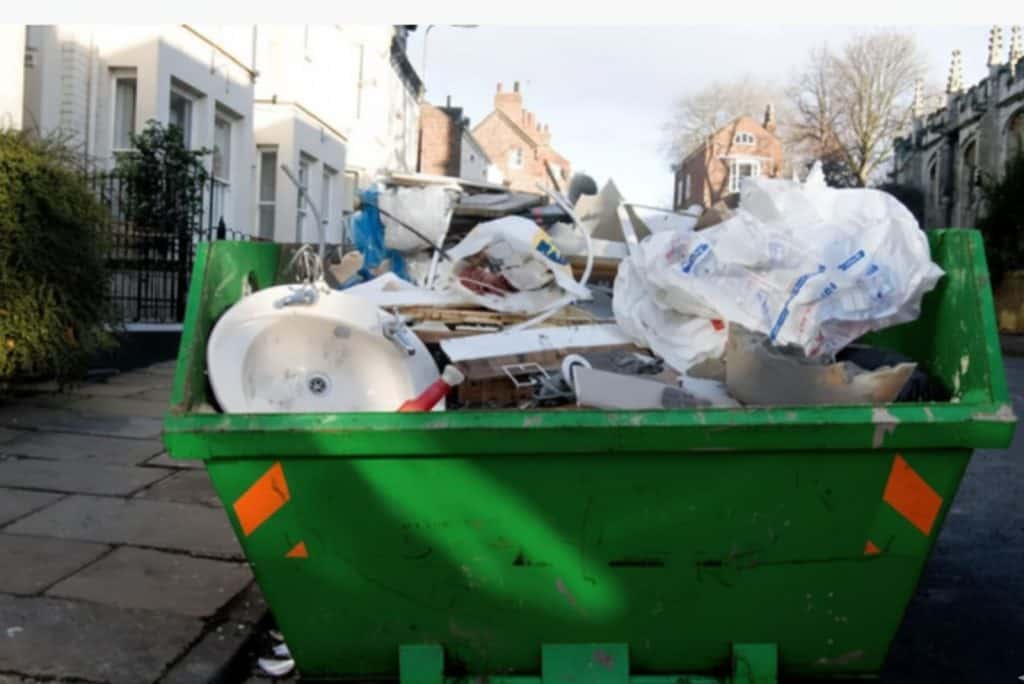
This is the most important part. Putting any of these items in a skip is a violation of regulations and your hire agreement. These items are banned because they are dangerous to people, harmful to the environment, or require very specific recycling processes.
Hazardous waste is the absolute number one thing to keep out. This category contains materials that are toxic, flammable, corrosive, or reactive. They can cause fires, explosions, or release dangerous fumes. Even small amounts can contaminate a huge load of waste.
- Asbestos: This is the most serious prohibited item. Asbestos fibres, when disturbed, can cause fatal lung diseases. It is illegal to dispose of asbestos in a standard skip (1). It must be removed by licensed specialists and taken to a facility designed to handle it.
- Chemicals and Liquids: This includes paint (both wet and often the empty tins), paint thinners, solvents, pesticides, herbicides, and cleaning chemicals. Fuels like petrol, diesel, and oil (including engine oil) are also strictly forbidden.
- Batteries: All types of batteries,car batteries, household batteries, and lithium-ion batteries from electronics,are hazardous. They can leak acid or cause fires.
- Fluorescent Tubes and Lightbulbs: These contain mercury, a toxic heavy metal.
- Aerosol Cans: Even if they seem empty, they are pressurised and can explode if crushed or heated.
Electrical and Electronic Equipment (WEEE) cannot go in a skip. These items contain a complex mix of materials, including valuable metals and hazardous substances. UK law requires them to be recycled separately.
- Televisions and computer monitors
- Fridges, freezers, and air conditioners (these contain gases that damage the ozone layer)
- Washing machines, tumble dryers, and dishwashers
- Computers, printers, and small kitchen appliances
Tyres are not allowed. They are a major fire hazard and are difficult to dispose of. They must be taken to a dedicated tyre recycling facility.
Medical or Clinical Waste poses a severe health risk. This includes:
- Syringes, needles, and other sharps
- Old medicines and pharmaceuticals
- Dressings or any waste from a medical procedure
- These items require incineration or other specialist treatment.
Gas Bottles and Pressurised Containers are dangerous because they can explode. This includes:
- LPG bottles (like those for barbecues)
- CO2 cylinders
- Fire extinguishers
- They must be returned to the supplier or taken to a specific disposal point.
Food Waste is generally not allowed in large-scale skips. It rots quickly, attracting vermin like rats and insects, and creates unpleasant odours
Other Problematic Items:
- Wet Concrete or Plaster: If these materials are still liquid, they can set solid inside the skip, making it impossible to empty. They are also very heavy.
- Hot Ashes or Coals: From a fireplace or barbecue, these can smoulder and start a fire long after the skip is collected.
- Insulation Materials: Some types, like fibreglass or older insulation, may be restricted.
Skip Hire Walsall can arrange safe, legal collection for many of these items if you inform them ahead of time. This includes hazardous waste, electronics, tyres, and bulky materials, ensuring your skip hire stays compliant and stress-free.
The Real Cost of Getting It Wrong: Fines and Rejection
| Issue | What Happens | Likely Cost / Consequence |
|---|---|---|
| Prohibited item visible (e.g. tyre, paint can) | Driver refuses to collect the skip | Skip left on your property |
| Mixed or contaminated waste | Hire company charges a contamination fee | £50–£200+ depending on severity |
| Need for special sorting or disposal | Waste must be separated manually | Additional labour and disposal fees |
| Hazardous waste found (e.g. asbestos) | Incident reported to council or Environment Agency | Investigation and potential fines |
| Asbestos or serious violations | Illegal waste handling offence | Heavy fines and possible legal action |
Ignoring the rules isn’t just a minor mistake; it has direct financial and legal consequences. When a skip driver arrives for collection, they are required to do a quick visual inspection. If they see a prohibited item like a tyre or a paint can sticking out, they are within their rights to refuse to take the skip.
This leaves you with a full skip on your property and a problem. The hire company will likely charge you a “contamination fee” to cover the cost of sorting the waste or arranging special disposal.
In more serious cases, if hazardous waste like asbestos is discovered, the situation becomes much graver. The company must report it to the Environment Agency or your local council. Planning ahead with Skip Hire Walsall can prevent these problems. They provide guidance and special collection options for items that cannot legally go in a standard skip.
What to Do with Your Prohibited Items
So, you have a fridge, some old paint, and a car tyre. What are your options? Fortunately, there are safe and legal pathways for these items.
Local Household Waste Recycling Centres
Most councils run recycling centres where residents can dispose of a wide range of materials for free. These sites have separate skips or bays for:
- Electrical items (WEEE)
- Garden waste
- Wood, metal, and cardboard
- Hazardous waste like paint, chemicals, and batteries
- Tyres (sometimes for a small fee)
Retailer Take-Back and Responsible Disposal Options
You can usually find a list of accepted items on your local council’s website. It’s the most straightforward way for homeowners to dispose of problematic waste.
- Retailer Take-Back Schemes: When you buy a new electrical appliance, the retailer is often legally obliged to take your old one back for recycling.
- Specialist Collection Services: For certain materials, particularly asbestos or large quantities of hazardous waste, you will need to hire a licensed waste carrier (2).
- Donation and Reuse: Before you throw something away, consider if it could be used by someone else.
Your Guide to a Stress-Free Skip Hire Experience
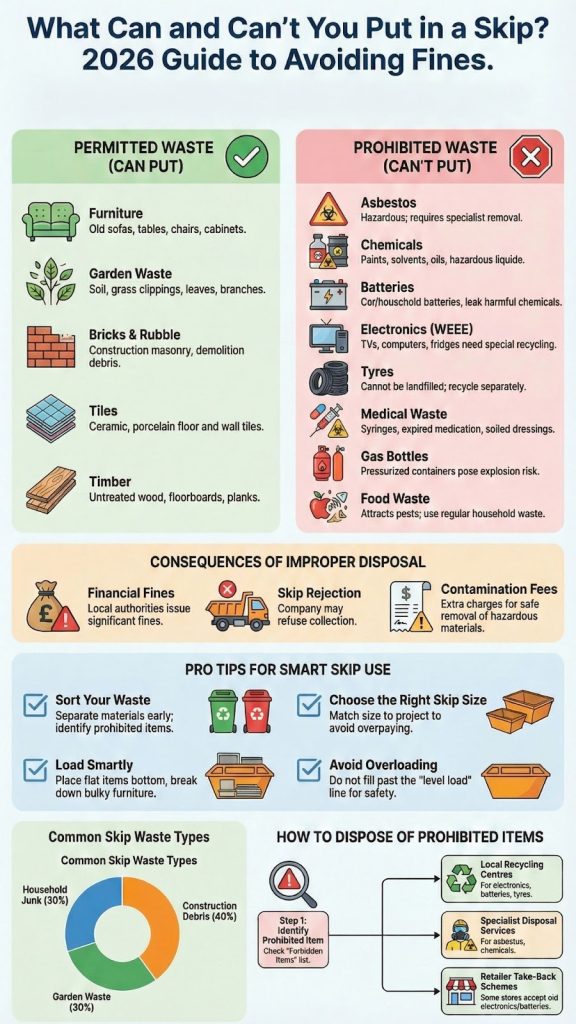
A little planning makes the entire process smooth and efficient. Here’s a simple checklist to follow:
- Sort Your Waste First: Before the skip arrives, separate your rubbish into piles. Have one pile for general skip waste, and separate piles for hazardous items, electronics, and anything you think might be recyclable elsewhere.
- Choose the Right Size Skip: Get advice from Skip Hire Walsall to avoid overloading.
- Ask Questions: If you are unsure about any item, just ask. A good company would rather answer a simple question than deal with a contaminated skip later.
- Load Smartly: Place flat, heavy items like bricks and tiles at the bottom. Lighter, bulkier items like furniture can go on top. This makes the skip safer to transport and maximises the space.
- Do Not Overload: Keep the waste level with the top of the skip walls. This is a strict safety requirement.
FAQs
What is a skip bin used for?
A skip bin is a big container used to hold rubbish from clean-ups or building work. People use it when they have too much waste for normal bins.
You can put things like old furniture, wood, bricks, and garden waste inside. The skip is dropped off, filled up, then taken away. It helps keep your space clean and safe while you work. Using a skip bin makes waste removal easy and organized for homes and worksites.
What items are safe to put in a skip?
You can put many common items in a skip bin. This includes old chairs, tables, wood, dry plasterboard, bricks, tiles, and concrete. Garden waste like leaves, grass, and small branches is also allowed. These items must be dry and not dangerous.
If the waste is solid and safe to handle, it usually goes in a skip. When unsure, it’s best to ask your skip hire company first.
Why are some items not allowed in skips?
Some items are not allowed because they can hurt people or the environment. Things like chemicals, batteries, and asbestos are dangerous. They can cause fires, poison the soil, or harm workers. Other items need special recycling, like electronics or tyres.
Skip trucks and waste centers are not built to handle these safely. Rules help keep everyone safe and protect nature, which is why banned items must be disposed of in other ways.
Can I put electronics in a skip bin?
No, electronics cannot go in a skip bin. Items like TVs, computers, fridges, and washing machines have harmful parts inside. They also contain metals that should be recycled. These items are called WEEE waste and must go to special recycling centers. Many councils accept them for free. Some stores will also take your old item when you buy a new one. Always keep electronics out of skips.
Is asbestos allowed in a skip?
No, asbestos is never allowed in a normal skip. It is very dangerous and can make people very sick if breathed in. Even small pieces are a serious risk. Asbestos must be removed by trained experts and taken to special sites. Putting it in a skip is illegal and can lead to big fines. If you think something has asbestos, stop work and get professional help right away.
What happens if I put banned items in a skip?
If banned items are found, the skip may not be collected. The company can charge you extra fees to remove the bad items. These fees can be very costly. In serious cases, the problem may be reported to the council. You may also have to empty the skip yourself. This causes delays and stress. Following the rules saves time, money, and trouble during your project.
Can I put paint and liquids in a skip?
No, paint and liquids are not allowed in skips. Wet paint, oils, fuel, and cleaning liquids can leak and cause harm. They may also react with other waste and create danger. Even empty paint tins can be banned. These items should be taken to a recycling center that handles hazardous waste. Many councils offer safe drop-off points for paint and chemicals at no cost.
Are tyres allowed in skip bins?
Tyres are not allowed in skip bins. They are hard to recycle and can catch fire easily. Because of this, waste centers do not accept them in general skips. Tyres must be taken to special tyre recycling places. Some garages and recycling centers will take them for a small fee. Keeping tyres out of skips helps reduce fire risks and supports proper recycling.
Can food waste go in a skip?
Food waste is usually not allowed in skip bins. Food rots quickly and attracts rats, flies, and bad smells. This can cause health problems and make the skip unsafe to collect. Normal food waste should go in household bins or council food waste bins. If you have a lot of food waste, ask your local council about special collection or composting options instead.
How can I avoid problems when using a skip?
To avoid problems, sort your waste before the skip arrives. Keep banned items separate. Ask the skip company if you are unsure about anything. Do not overfill the skip above the sides. Put heavy items at the bottom and lighter ones on top. Choose the right skip size for your job. Planning ahead makes skip hire easy, safe, and stress-free from start to finish.
A Final Word on Responsible Disposal
Hiring a skip should simplify your life, not complicate it. The rules aren’t there to trick you; they are a necessary framework for managing our country’s waste safely and sustainably. Knowing the difference between general rubble and a hazardous material like asbestos is the key to a successful project.
When you work with a trusted provider like Skip Hire Walsall, you get more than just a bin. You get expert guidance to ensure your waste is handled correctly from your doorstep to its final recycling or disposal point. Ready to get started?
Contact us today at Skip Hire Walsall for a quote and let us help you manage your waste the right way.
References
- https://www.hse.gov.uk/asbestos/
- https://www.gov.uk/dispose-hazardous-waste